

Granada Falls After 700 Years: The Reconquista Finally Ends
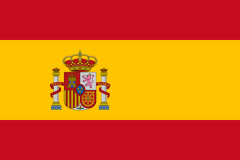
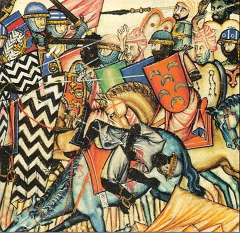
Boabdil wept as he handed over the keys to Granada. His mother supposedly told him: "You weep like a woman for what you could not defend as a man." The pass where he looked back at the city for the last time is still called El Último Suspiro del Moro — the Moor's Last Sigh. Ferdinand and Isabella had spent ten years grinding down the last Muslim kingdom on the Iberian Peninsula. Swiss mercenaries, Castilian nobles, and church money all poured into the campaign. A civil war inside Granada's ruling family did half the work for them. The Treaty of Granada, signed November 25, 1491, promised religious tolerance for Muslims. That promise lasted about a decade. By 1502, Muslims faced a choice: convert or leave. The Reconquista was complete after 781 years. And within months of taking Granada, Isabella funded a sailor named Columbus. One conquest ended. Another began.
January 2, 1492
534 years ago
Key Figures & Places

What Else Happened on January 2
según una tradición cristiana la Virgen vino en carne mortal a Caesaraugusta (Zaragoza) a ver a Santiago cuando aún vivía en Jerusalén.
On January 2 of the Year of the Four Emperors, the Roman legions stationed in Germania Superior refused to swear their annual oath of loyalty to Emperor Galba. …
The Rhine froze solid in the winter of 366 AD. The Alemanni walked across. Thousands of Germanic warriors poured into Roman Gaul on a highway of ice, looting to…
Mercurius became Pope John II on January 2, 533, and set a precedent that has lasted nearly 1,500 years. He was the first pope to change his name upon election.…
Im Frieden von Perónne einigen sich der französische König Philipp II. und Graf Balduin IX. von Flandern über streitige Besitzansprüche im Artois.
Christian forces defeated an Ottoman Turkish army at the Battle of Kunovica in 1444, near modern-day Serbia. The victory was part of the larger Crusade of Varna…
Talk to History
Have a conversation with historical figures who witnessed this era. Ask questions, explore perspectives, and bring history to life.