

Port Arthur Surrenders: Japan Beats a European Power for the First Time
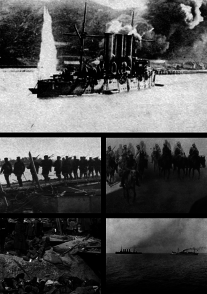
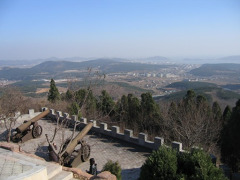
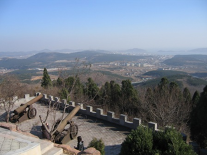
Port Arthur held out for 154 days. When the Russian garrison finally surrendered on January 2, 1905, roughly 15,000 soldiers were left standing from an original force of over 40,000. The Japanese had thrown 130,000 troops at the fortress, losing more than 57,000 in the process. Bodies piled up on the slopes of 203 Meter Hill so thick that soldiers used them as cover. General Anatoly Stoessel surrendered against the wishes of his own war council. Some of his officers thought they could hold out longer. He disagreed. The fall of Port Arthur sent shockwaves through every European capital. An Asian nation had beaten a European empire in a modern siege — the first time that had happened. Russia's Baltic Fleet, already sailing halfway around the world to relieve Port Arthur, arrived months later to be destroyed at Tsushima. The loss helped trigger the 1905 Russian Revolution.
January 2, 1905
121 years ago
Key Figures & Places
What Else Happened on January 2
según una tradición cristiana la Virgen vino en carne mortal a Caesaraugusta (Zaragoza) a ver a Santiago cuando aún vivía en Jerusalén.
On January 2 of the Year of the Four Emperors, the Roman legions stationed in Germania Superior refused to swear their annual oath of loyalty to Emperor Galba. …
The Rhine froze solid in the winter of 366 AD. The Alemanni walked across. Thousands of Germanic warriors poured into Roman Gaul on a highway of ice, looting to…
Mercurius became Pope John II on January 2, 533, and set a precedent that has lasted nearly 1,500 years. He was the first pope to change his name upon election.…
Im Frieden von Perónne einigen sich der französische König Philipp II. und Graf Balduin IX. von Flandern über streitige Besitzansprüche im Artois.
Christian forces defeated an Ottoman Turkish army at the Battle of Kunovica in 1444, near modern-day Serbia. The victory was part of the larger Crusade of Varna…
Talk to History
Have a conversation with historical figures who witnessed this era. Ask questions, explore perspectives, and bring history to life.