

First American Saint Canonized: Mother Cabrini
Mother Francesca S. Cabrini receives papal canonization, establishing her as the first American saint and building a legacy of immigrant advocacy that reshaped Catholic social work in the United States. Her elevation transforms a local missionary's efforts into a national symbol of resilience for generations of Italian-American communities navigating new lives on foreign soil.
July 7, 1946
80 years ago
Key Figures & Places

United States
Wikipedia
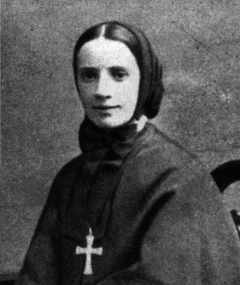
Frances Xavier Cabrini
Wikipedia
Francesca S. Cabrini
Wikipedia
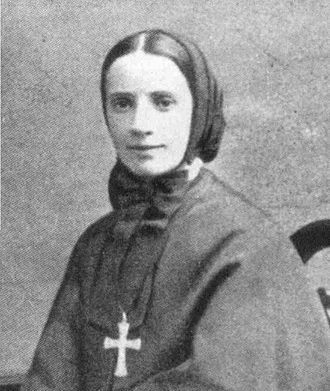
Frances Xavier Cabrini
Wikipedia

Vatican City
Wikipedia

Pope Pius XII
Wikipedia

Canonization
Wikipedia

United States
Wikipedia

Bloomington (Minnesota)
Wikipedia

Larry Holmes
Wikipedia
Liste der Boxweltmeister der WBC
Wikipedia

Hawaii
Wikipedia

Historische Territorien auf dem Boden der Vereinigten Staaten
Wikipedia
Territory of Hawaii
Wikipedia

Mexican–American War
Wikipedia

California
Wikipedia

France
Wikipedia

Quasi-War
Wikipedia

Assassination
Wikipedia

Abraham Lincoln
Wikipedia

Condado de Monterrey
Wikipedia

Luxembourg
Wikipedia

Pierre Cardin
Wikipedia
What Else Happened on July 7
The siege lasted five months, but it was the Venetian fleet's 120 ships that decided Tyre's fate. Doge Domenico Michiel didn't just want victory—he demanded a t…
Nineteen weeks. That's how long Tyre held out against the Venetian fleet and Jerusalem's Crusader army in 1124. The Doge himself, Domenico Michiel, commanded 12…
Papst Innozenz II. unterzeichnet in Pisa die Bulle Ex commisso nobis, in der er Bistumsangelegenheiten auf polnischem Gebiet regelt. Mit dem Erwähnen von fast 4…
promulgation de la pragmatique Sanction de Bourges en France par Charles VII.

Pope Callixtus III overturns the 1431 heresy conviction that burned Joan of Arc, declaring her a martyr and restoring her name to honor. This legal reversal dis…
en Córdoba (España), los Reyes Católicos expiden la Pragmática que manda observar y guardar el Cuaderno de las Leyes Nuevas de la Santa Hermandad.
Talk to History
Have a conversation with historical figures who witnessed this era. Ask questions, explore perspectives, and bring history to life.