Longyu Orders Foreigner Deaths: Boxer Rebellion Escalates
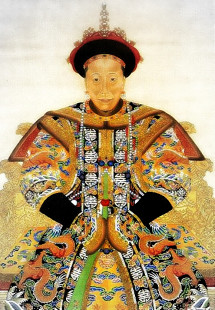
Empress Dowager Cixi issued an imperial edict on or around June 18, 1900, endorsing the Boxer militants who had been attacking foreigners and Chinese Christians across northern China. The exact wording and date of the decree vary across sources, but its effect was unmistakable: the Qing court threw its weight behind the uprising, ordering provincial governors to resist foreign forces and declaring that the Boxers were loyal patriots defending China against imperialist aggression. The decision transformed a domestic insurgency into an international crisis that would humiliate China for decades. Cixi's calculation was a desperate gamble. The Qing Dynasty had suffered catastrophic defeats against foreign powers throughout the nineteenth century: the Opium Wars, the loss of treaty ports, territorial concessions to Japan, Britain, France, Germany, and Russia, and the forced acceptance of foreign missionaries and commerce across China. The Boxers' anti-foreign violence resonated with deep popular resentment that Cixi hoped to channel for her own political survival. Conservative court officials convinced her that the Boxers' claims of supernatural invulnerability to bullets were genuine. Foreign legations in Beijing's diplomatic quarter were placed under siege. The German minister, Clemens von Ketteler, was murdered on the street by a Manchu bannerman on June 20. Foreign residents, missionaries, and several thousand Chinese Christians barricaded themselves inside the quarter and held out for fifty-five days under constant attack. An international relief expedition, the Eight-Nation Alliance, fought its way from Tianjin to Beijing, arriving on August 14. The occupation that followed was savage. Allied troops looted the Forbidden City and Summer Palace, German forces conducted punitive expeditions into the countryside, and the Boxer Protocol of 1901 imposed indemnities that would take China until 1940 to repay. Cixi fled Beijing disguised as a peasant and did not return until January 1902.
June 18, 1900
126 years ago
Key Figures & Places

What Else Happened on June 18
Li Yuan, the Duke of Tang, forced the abdication of the last Sui emperor and ascended the throne as Emperor Gaozu on June 18, 618 AD, founding a dynasty that wo…
Uthman ibn Affan was murdered by rebels in his own home, and suddenly Islam's most powerful office sat empty. Ali ibn Abi Talib — the Prophet Muhammad's cousin …
200 ships appeared without warning in the Bosphorus, and Constantinople had almost no navy left to stop them. Emperor Michael III was away campaigning in Asia M…
The Pope led an army into battle and lost. Leo IX personally marched against the Normans in southern Italy, convinced God would deliver victory. He was wrong. H…
Five monks in Canterbury looked up and watched the Moon split open. On June 18, 1178, they described a flaming torch spewing fire, hot coals, and sparks — the l…
Ireland's first parliament didn't meet in a grand capital. It met in Castledermot — a small monastic town in Kildare, barely a dot on the map. Anglo-Norman lord…
Talk to History
Have a conversation with historical figures who witnessed this era. Ask questions, explore perspectives, and bring history to life.