Tang Dynasty Begins: China Enters Golden Age
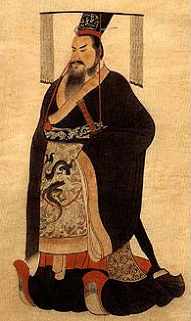
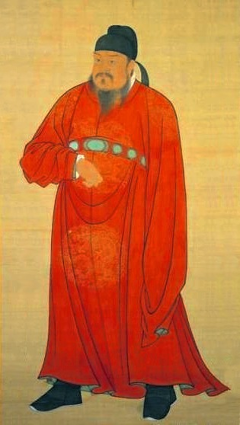
Li Yuan, the Duke of Tang, forced the abdication of the last Sui emperor and ascended the throne as Emperor Gaozu on June 18, 618 AD, founding a dynasty that would rule China for nearly three centuries and preside over what many historians consider the greatest era of Chinese civilization. The Tang Dynasty (618-907) expanded China's borders, built the world's largest city at Chang'an, fostered unprecedented artistic and literary achievement, and established trade networks stretching from Japan to the Mediterranean. The Sui Dynasty that preceded the Tang had reunified China after nearly four centuries of fragmentation but collapsed rapidly under Emperor Yang's ruinous military campaigns against Korea and massive infrastructure projects, including extensions of the Grand Canal, that exhausted the treasury and provoked widespread rebellion. Li Yuan, a powerful aristocrat and military governor with family ties to the Sui imperial house, initially tried to stabilize the regime. When that failed, he marched on the capital with his sons, installing a puppet emperor before taking the throne himself. Li Yuan's second son, Li Shimin, was the real military genius behind the conquest. He defeated rival warlords across China and pressured his father into naming him heir, eventually forcing Gaozu to abdicate in 626 after killing his brothers in the Xuanwu Gate Incident. As Emperor Taizong, Li Shimin became one of China's most celebrated rulers, establishing a meritocratic civil service, codifying law, and promoting religious tolerance that allowed Buddhism, Daoism, Nestorianism, and Islam to coexist. Tang China's population reached approximately 80 million, and Chang'an housed over a million residents within its walls, making it the world's largest city. Tang poetry, produced by masters including Li Bai, Du Fu, and Wang Wei, remains the pinnacle of the Chinese literary tradition. The dynasty's influence shaped Korean, Japanese, and Vietnamese culture for centuries.
June 18, 618
1408 years ago
Key Figures & Places

What Else Happened on June 18
Uthman ibn Affan was murdered by rebels in his own home, and suddenly Islam's most powerful office sat empty. Ali ibn Abi Talib — the Prophet Muhammad's cousin …
200 ships appeared without warning in the Bosphorus, and Constantinople had almost no navy left to stop them. Emperor Michael III was away campaigning in Asia M…
The Pope led an army into battle and lost. Leo IX personally marched against the Normans in southern Italy, convinced God would deliver victory. He was wrong. H…
Five monks in Canterbury looked up and watched the Moon split open. On June 18, 1178, they described a flaming torch spewing fire, hot coals, and sparks — the l…
Ireland's first parliament didn't meet in a grand capital. It met in Castledermot — a small monastic town in Kildare, barely a dot on the map. Anglo-Norman lord…
A peace deal between Venice and Byzantium collapsed because one man in Venice simply said no. Emperor Michael VIII Palaiologos had clawed Constantinople back fr…
Talk to History
Have a conversation with historical figures who witnessed this era. Ask questions, explore perspectives, and bring history to life.