Joan of Arc Wins Patay: French Turn Tide
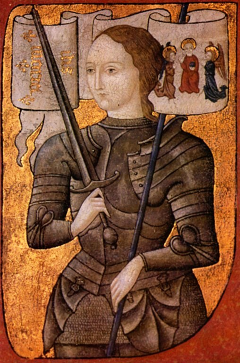
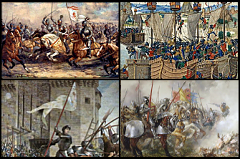
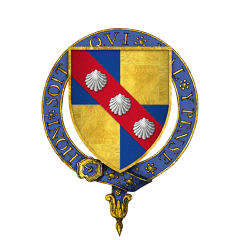
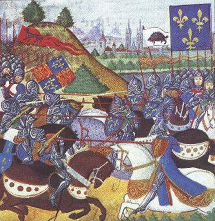
French forces crushed the English army at the Battle of Patay on June 18, 1429, killing or capturing approximately 2,500 English soldiers while losing fewer than 100 of their own. The victory, achieved in open-field combat against the English longbowmen who had dominated European battlefields for a century, reversed the momentum of the Hundred Years' War. Joan of Arc, the teenage peasant who had arrived at the French court just months earlier claiming divine guidance, did not personally command at Patay but her presence at the head of the army had transformed French morale. The English had been winning the war decisively. Henry V's victory at Agincourt in 1415 and the 1420 Treaty of Troyes had effectively given England the French crown. When Henry died in 1422, his infant son Henry VI was proclaimed king of both England and France. The Dauphin Charles, the disinherited French heir, controlled only the territory south of the Loire. English forces besieging Orleans in 1428-1429 appeared poised to eliminate the last major obstacle to complete English control. Joan had lifted the Siege of Orleans on May 8, 1429, after nine days of fighting, electrifying France and demoralizing the English. At Patay, the French vanguard under La Hire and Jean de Dunois caught the English army in the open before Sir John Fastolf could deploy his archers behind their defensive stakes. Without their standard defensive formation, the longbowmen were overrun by French cavalry in a battle that lasted barely an hour. Fastolf fled. Sir John Talbot, the most feared English commander, was captured. Patay opened the road to Reims, where Charles was crowned king on July 17, 1429, with Joan standing at his side. The coronation gave Charles the religious legitimacy the English could never replicate. Joan was captured by Burgundian allies of England in May 1430 and burned at the stake on May 30, 1431, but the strategic situation she had reversed never reverted.
June 18, 1429
597 years ago
Key Figures & Places

What Else Happened on June 18
Li Yuan, the Duke of Tang, forced the abdication of the last Sui emperor and ascended the throne as Emperor Gaozu on June 18, 618 AD, founding a dynasty that wo…
Uthman ibn Affan was murdered by rebels in his own home, and suddenly Islam's most powerful office sat empty. Ali ibn Abi Talib — the Prophet Muhammad's cousin …
200 ships appeared without warning in the Bosphorus, and Constantinople had almost no navy left to stop them. Emperor Michael III was away campaigning in Asia M…
The Pope led an army into battle and lost. Leo IX personally marched against the Normans in southern Italy, convinced God would deliver victory. He was wrong. H…
Five monks in Canterbury looked up and watched the Moon split open. On June 18, 1178, they described a flaming torch spewing fire, hot coals, and sparks — the l…
Ireland's first parliament didn't meet in a grand capital. It met in Castledermot — a small monastic town in Kildare, barely a dot on the map. Anglo-Norman lord…
Talk to History
Have a conversation with historical figures who witnessed this era. Ask questions, explore perspectives, and bring history to life.