

McVeigh Executed: Oklahoma City Bomber Put to Death
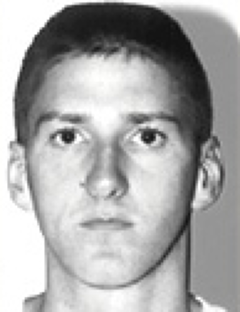
Timothy McVeigh was executed by lethal injection at the U.S. Penitentiary in Terre Haute, Indiana, on June 11, 2001, becoming the first federal prisoner executed since 1963. He died for orchestrating the April 19, 1995, bombing of the Alfred P. Murrah Federal Building in Oklahoma City, which killed 168 people, including 19 children in a second-floor daycare center, and injured more than 680 others. At the time, it was the deadliest act of domestic terrorism in American history. McVeigh, a Gulf War veteran who had earned a Bronze Star, became radicalized through the militia movement and white supremacist literature, particularly The Turner Diaries. He fixated on the federal government's handling of the 1992 Ruby Ridge standoff and the 1993 Waco siege, choosing April 19, the second anniversary of the Waco fire, for his attack. Working with co-conspirator Terry Nichols, McVeigh parked a rented Ryder truck loaded with approximately 4,800 pounds of ammonium nitrate fertilizer and nitromethane in front of the Murrah Building. The blast collapsed roughly one-third of the nine-story structure. McVeigh was arrested ninety minutes after the bombing during a routine traffic stop for driving without license plates. An Oklahoma state trooper noticed a concealed weapon, leading to his detention. Within days, investigators connected him to the truck rental. His trial in Denver lasted five weeks, and the jury deliberated for twenty-three hours before returning guilty verdicts on all eleven counts. McVeigh never expressed remorse, describing the children's deaths as "collateral damage." His execution was witnessed by 232 survivors and family members via closed-circuit television, the first time such a broadcast had been arranged for a federal execution.
June 11, 2001
25 years ago
Key Figures & Places
What Else Happened on June 11

Ancient Greek scholar Eratosthenes calculated that Troy fell in 1184 BC, a date that has become the conventional reference point for an event that blurs the lin…

A thirty-two-year-old king lay dying in the palace of Nebuchadnezzar II, burning with fever and unable to speak, while his generals jockeyed for position around…
A Roman army, cut off and dying of thirst in Moravia, was saved by a thunderstorm. That's the official story. But Marcus Aurelius, a Stoic philosopher who spent…
Eighty thousand people came home because of a gift basket. Emperor Taizong didn't send armies north to the Xueyantuo — he sent diplomats carrying gold and silk,…
Tang China was paying ransom for its own people — prisoners taken during the chaos of a civil war that had ended years earlier. Emperor Taizong sent envoys nort…
Two rival empires showed up at the same door on the same day and nearly started a war over who knocked first. The Abbasid Arabs and Uyghur Turks had both travel…
Talk to History
Have a conversation with historical figures who witnessed this era. Ask questions, explore perspectives, and bring history to life.