

Troy Falls and Burns: The Trojan War Ends (Eratosthenes' Date)
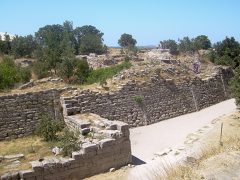
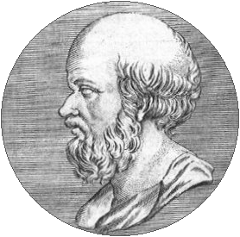
Eratosthenes calculated that Greek forces sacked and burned Troy in 1184 BC, ending a decade-long siege that shattered the city's power and reshaped the Aegean world. This destruction erased a major Bronze Age hub, scattering survivors and triggering the migrations that would eventually seed the classical Greek civilization.
June 11, 1184 BC
Key Figures & Places
What Else Happened on June 11
eclipse lunar 32 del ciclo Saros.
según los cálculos de Eratóstenes, finaliza la Guerra de Troya (los aqueos saquean y destruyen la ciudad de Troya).

Alexander collapsed in Babylon after days of fever or agonizing pain from a bowl of wine, leaving no clear heir behind. His sudden death at thirty-two shattered…
A Roman army, cut off and dying of thirst in Moravia, was saved by a thunderstorm. That's the official story. But Marcus Aurelius, a Stoic philosopher who spent…
Tang China was paying ransom for its own people — prisoners taken during the chaos of a civil war that had ended years earlier. Emperor Taizong sent envoys nort…

Eighty thousand people came home because of a gift basket. Emperor Taizong didn't send armies north to the Xueyantuo — he sent diplomats carrying gold and silk,…
Talk to History
Have a conversation with historical figures who witnessed this era. Ask questions, explore perspectives, and bring history to life.