

Committee of Five Appointed to Draft the Declaration of Independence
The Continental Congress appointed Thomas Jefferson, John Adams, Benjamin Franklin, Roger Sherman, and Robert Livingston to draft a formal declaration of independence from Britain. Jefferson, chosen as principal author for his literary skill, produced a document whose opening declaration that all men are created equal would become the foundational text of American democracy.
June 7, 1776
250 years ago
Key Figures & Places
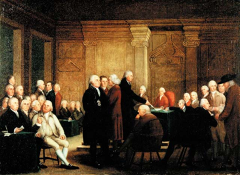
Continental Congress
Wikipedia
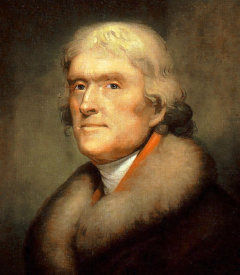
Thomas Jefferson
Wikipedia
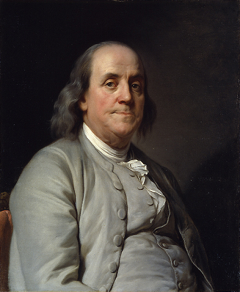
Benjamin Franklin
Wikipedia
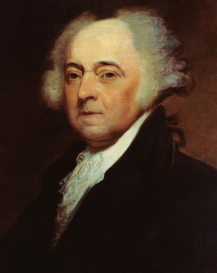
John Adams
Wikipedia
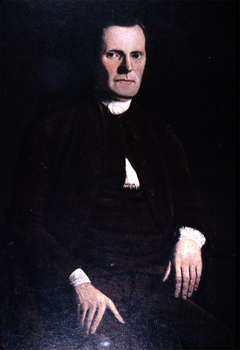
Roger Sherman
Wikipedia
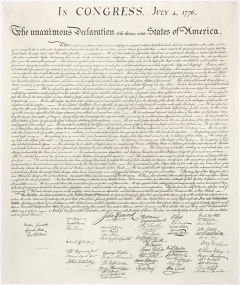
United States Declaration of Independence
Wikipedia

Robert R. Livingston
Wikipedia
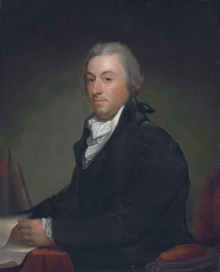
Robert R. Livingston
Wikipedia
Committee of Five
Wikipedia

Continental Congress
Wikipedia

Thomas Jefferson
Wikipedia

John Adams
Wikipedia
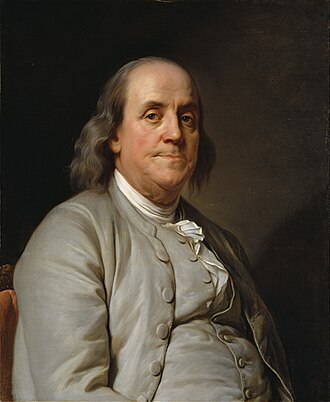
Benjamin Franklin
Wikipedia

Roger Sherman
Wikipedia

Robert R. Livingston
Wikipedia

Committee of Five
Wikipedia

United States Declaration of Independence
Wikipedia

Second Continental Congress
Wikipedia
What Else Happened on June 7
She was a pagan poet's daughter from Athens — and she almost didn't make it to Constantinople at all. Theodosius II's sister Pulcheria, who effectively ran the …
Pope John VIII officially recognized Duke Branimir’s rule, granting Croatia formal status as an independent state. By securing this papal blessing, Branimir suc…
Die Universalsynode von Ingelheim ist von Papst Agapet II. einberufen, um das Schisma um den erzbischöflichen Stuhl von Reims zu lösen. Artold von Reims wird al…
Henry II ascended the German throne, consolidating power after the sudden death of his cousin, Emperor Otto III. By securing the loyalty of the German nobility,…
The city hadn't had rain in weeks. Crusader soldiers were dying of thirst outside Jerusalem's walls in the summer of 1099, some drinking their own horses' blood…
David II devient roi d'Écosse.
Talk to History
Have a conversation with historical figures who witnessed this era. Ask questions, explore perspectives, and bring history to life.