Forgotten Prisoners: Amnesty International Sparks Human Rights
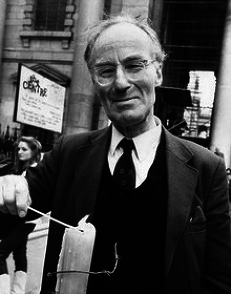
A newspaper article about six imprisoned strangers started a movement that has freed tens of thousands of people. On May 28, 1961, British lawyer Peter Benenson published "The Forgotten Prisoners" in The Observer, describing the cases of six people jailed for their political or religious beliefs in Portugal, Hungary, South Africa, and three other countries. The article asked readers to write letters demanding their release. The response was so overwhelming that it became Amnesty International. Benenson's inspiration was personal and immediate. He had read about two Portuguese students arrested for raising a toast to freedom in a Lisbon cafe. Enraged, he conceived a one-year campaign called "Appeal for Amnesty 1961" that would focus public pressure on governments holding political prisoners. He enlisted lawyer and journalist colleagues, and The Observer agreed to publish the launch article. The concept was radical in its simplicity. Ordinary citizens would adopt individual prisoners and write letters to the governments detaining them. The letters would be polite, persistent, and public. Benenson believed that shame, applied consistently, could force authoritarian regimes to release people they had no legal basis to hold. Within a year, the campaign had generated so much momentum that it formalized into a permanent organization. Amnesty International established research teams to verify cases, local groups to sustain letter-writing campaigns, and strict rules of impartiality: each group would adopt prisoners from the Western bloc, the Eastern bloc, and the developing world simultaneously. The organization won the Nobel Peace Prize in 1977. By then, its membership had grown to hundreds of thousands across dozens of countries. Amnesty's letter-writing model proved that sustained, organized civilian pressure could embarrass governments into releasing prisoners, commuting sentences, and reforming laws. Benenson's original six prisoners were eventually freed. More than sixty years later, the organization he founded operates in over 150 countries and has worked on behalf of millions of people imprisoned for their beliefs.
May 28, 1961
65 years ago
Key Figures & Places
What Else Happened on May 28
The sun went dark mid-battle, and both armies dropped their weapons. Thales of Miletus had predicted it—the first recorded solar eclipse forecast in history, Ma…
Li Shimin had 3,500 cavalry. Dou Jiande brought 100,000 men to Hulao Pass in Henan. The numbers didn't matter. Shimin's father had just founded the Tang Dynasty…
They murdered the inquisitors in their sleep. William Arnaud and eleven companions were hunting heretics in Languedoc when Cathars stormed their lodgings at Avi…
They called it "everlasting." James IV of Scotland married Margaret Tudor in 1503, her father Henry VII footing the bill for a wedding that cost more than Scotl…
Cranmer didn't even have the authority yet—his papal bulls confirming him as Archbishop wouldn't arrive for another two months. But Henry needed this marriage l…
King Philip II assembled the largest naval force Europe had ever seen and sent it to conquer England. The English Channel destroyed it. The Spanish Armada saile…
Talk to History
Have a conversation with historical figures who witnessed this era. Ask questions, explore perspectives, and bring history to life.