
Chemical Weapons Banned: Global Disarmament Treaty Takes Effect
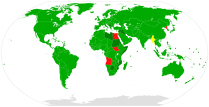
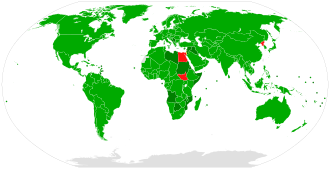
The Chemical Weapons Convention entered into force on April 29, 1997, after being signed by 130 nations in 1993 and ratified by 87. The treaty banned the development, production, stockpiling, and use of chemical weapons, and established the Organisation for the Prohibition of Chemical Weapons in The Hague to verify compliance through inspections. By the time of its implementation, chemical weapons had been used in conflicts from World War I to the Iran-Iraq War, killing or injuring millions and demonstrating that the horror of chemical warfare did not diminish with repetition. The road to the CWC was long. The 1925 Geneva Protocol had banned the use of chemical weapons in war but not their production or stockpiling, and multiple nations maintained massive arsenals throughout the Cold War. The United States alone possessed approximately 30,000 tons of chemical agents stored at nine facilities across the country. The Soviet Union maintained comparable or larger stocks. Both nations also conducted extensive research into new agents, including nerve gases far more lethal than the chlorine and mustard gas of World War I. The treaty's verification regime was unprecedented in arms control. OPCW inspectors gained the right to conduct routine inspections of declared facilities and challenge inspections of undeclared sites, with member states obligated to provide access within a narrow timeframe. The destruction of declared stockpiles was mandated on a fixed schedule, with extensions granted for technical difficulties. The United States completed destruction of its declared stockpile in 2023, and Russia completed its destruction in 2017, decades after the original deadlines. The CWC's limitations have been exposed repeatedly since its entry into force. Syria, which joined the treaty in 2013 under international pressure after using sarin gas against civilians in Ghouta, subsequently continued to use chlorine and nerve agents in its civil war. The OPCW's investigative mechanism attributed multiple chemical attacks to the Syrian government, but enforcement proved impossible without Security Council action, which Russia blocked. The poisoning of former Russian spy Sergei Skripal with Novichok in Salisbury, England, in 2018 demonstrated that state-level chemical weapons programs persisted despite the treaty. The CWC established a norm; enforcing it remains the unresolved challenge.
April 29, 1997
29 years ago
Key Figures & Places
1993
Wikipedia
chemical warfare
Wikipedia
Chemical Weapons Convention
Wikipedia
Chemical Weapons Convention
Wikipedia
Chemical warfare
Wikipedia
United Nations General Assembly
Wikipedia
Chemical weapon
Wikipedia
Hermann Göring
Wikipedia
Reichsluftschutzbund
Wikipedia
Incendio
Wikipedia
Primeros auxilios
Wikipedia
What Else Happened on April 29
A single mountain of rock in North Africa swallowed an army and spat them out into Europe. Tariq ibn-Ziyad didn't just land; he burned his own ships to ensure h…
The basilica of San Paolo Fuori le Mura cracked open while Rome slept in 801, shaking the Central Apennines hard enough to rattle Spoleto too. It wasn't just st…
Byzantine Emperor Alexius I crushed the Pecheneg army at the Battle of Levounion, ending their threat to Constantinople. By annihilating the nomadic force with …
A Lithuanian cavalry charge at the Vikhra River crushed Smolensk's hopes in minutes. Prince Vasily's army, outnumbered and outmaneuvered by Algirdas's son, didn…
Joan of Arc rode into Orleans on the evening of April 29, 1429, and a city that had been under English siege for six months erupted in hope. The 17-year-old pea…
A seventeen-year-old girl in a white suit walked into a starving city where the French army had been too terrified to move for months. She didn't just talk; she…
Talk to History
Have a conversation with historical figures who witnessed this era. Ask questions, explore perspectives, and bring history to life.