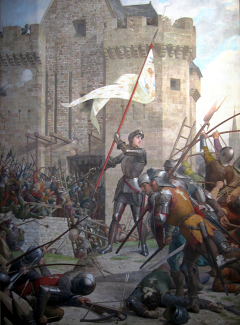
Joan of Arc Arrives at Orléans: Hope Returns to France
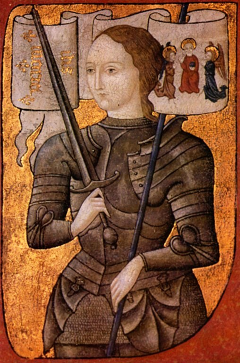
Joan of Arc rode into Orleans on the evening of April 29, 1429, and a city that had been under English siege for six months erupted in hope. The 17-year-old peasant girl from Domremy arrived with a supply convoy and several hundred troops, entering through the Burgundy Gate while English forces were concentrated on the opposite side of the Loire. Crowds lined the streets, reaching out to touch her armor and her standard, which bore the image of Christ holding the world. Torches lit the procession. Within nine days, the siege would be broken, and the trajectory of the Hundred Years' War reversed. Joan's journey from obscurity to Orleans was astonishing by any standard. She first approached the local garrison commander, Robert de Baudricourt, in early 1429, claiming that heavenly voices from Saints Michael, Catherine, and Margaret had instructed her to drive the English from France and see the Dauphin Charles crowned king. Baudricourt dismissed her twice before finally providing an escort to the royal court at Chinon. Charles, desperate and suspicious in equal measure, subjected Joan to examination by theologians at Poitiers before authorizing her to join the relief force. The military situation was dire. English and Burgundian forces controlled most of northern France, including Paris. The Dauphin Charles VII had not been crowned and controlled only a rump kingdom south of the Loire. Orleans, strategically located on the river, was the last major obstacle to an English advance into the remaining French territories. Its fall would have effectively ended French resistance. The arrival of a teenage girl claiming divine guidance was not what the professional soldiers and exhausted defenders had expected, but her confidence was infectious. Joan did not command the French army in a formal sense, but her presence transformed its morale. She was fearless under fire, took an arrow through the shoulder during the assault on the fortress of Les Tourelles on May 7, and refused to withdraw. The English, already unnerved by reports of a witch or prophetess fighting against them, broke when Joan returned to the battlefield after having her wound dressed. The siege was lifted on May 8. Joan would lead Charles to his coronation at Reims Cathedral in July, be captured by Burgundian forces in May 1430, and be burned at the stake by the English in Rouen on May 30, 1431. She was nineteen years old.
April 29, 1429
597 years ago
Key Figures & Places
What Else Happened on April 29
A single mountain of rock in North Africa swallowed an army and spat them out into Europe. Tariq ibn-Ziyad didn't just land; he burned his own ships to ensure h…
The basilica of San Paolo Fuori le Mura cracked open while Rome slept in 801, shaking the Central Apennines hard enough to rattle Spoleto too. It wasn't just st…
Byzantine Emperor Alexius I crushed the Pecheneg army at the Battle of Levounion, ending their threat to Constantinople. By annihilating the nomadic force with …
A Lithuanian cavalry charge at the Vikhra River crushed Smolensk's hopes in minutes. Prince Vasily's army, outnumbered and outmaneuvered by Algirdas's son, didn…
A seventeen-year-old girl in a white suit walked into a starving city where the French army had been too terrified to move for months. She didn't just talk; she…
Castilian forces secured Gran Canaria, ending five years of fierce resistance by the indigenous Guanche people. This victory provided the Spanish Crown with a c…
Talk to History
Have a conversation with historical figures who witnessed this era. Ask questions, explore perspectives, and bring history to life.