LA Riots Erupt: Rodney King Verdict Sparks Chaos
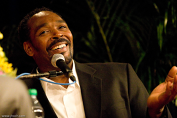
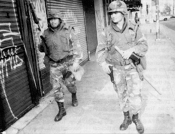
Los Angeles burned for six days after a jury in Simi Valley acquitted four LAPD officers in the videotaped beating of Rodney King on April 29, 1992. The verdict reached the city at 3:15 PM; by nightfall, South Central Los Angeles was in flames. Rioters pulled motorist Reginald Denny from his truck at the intersection of Florence and Normandie and beat him nearly to death while news helicopters broadcast the assault live. By the time the National Guard restored order on May 4, 63 people were dead, more than 2,000 were injured, 12,000 had been arrested, and property damage exceeded one billion dollars. The beating itself had occurred thirteen months earlier, on March 3, 1991. George Holliday, a plumber, filmed from his apartment balcony as four officers struck King more than fifty times with batons while a dozen others watched. The 81-second video, broadcast on every network, seemed to offer incontrovertible evidence of police brutality. King, who had been driving drunk and led officers on a high-speed chase, was tasered, kicked, and beaten with such force that he suffered a broken cheekbone, a shattered eye socket, and permanent brain damage. The defense's success in moving the trial to suburban, predominantly white Simi Valley was a strategic masterstroke that effectively predetermined the outcome. The riots were not spontaneous explosions of rage but the combustion of decades of accumulated grievance. South Central Los Angeles had been devastated by deindustrialization, the crack epidemic, and a policing culture under Chief Daryl Gates that treated the Black community as an occupied territory. Operation Hammer, Gates's anti-gang initiative, had resulted in mass arrests of young Black men, most of whom were never charged. Korean-owned businesses were specifically targeted during the riots, reflecting tensions that had escalated after a Korean shopkeeper received no jail time for shooting 15-year-old Latasha Harlins in the back of the head in March 1991. King himself appeared on television during the riots and asked, "Can we all get along?" The question was genuine, plaintive, and unanswered. The aftermath produced federal civil rights charges against the officers, with two convicted, and a consent decree that forced reforms on the LAPD. But the underlying conditions that produced the riots, racial segregation, economic inequality, and aggressive policing, remained largely unchanged. Los Angeles in 1992 was a preview of the policing crises that would convulse American cities for the next three decades.
April 29, 1992
34 years ago
Key Figures & Places
What Else Happened on April 29
A single mountain of rock in North Africa swallowed an army and spat them out into Europe. Tariq ibn-Ziyad didn't just land; he burned his own ships to ensure h…
The basilica of San Paolo Fuori le Mura cracked open while Rome slept in 801, shaking the Central Apennines hard enough to rattle Spoleto too. It wasn't just st…
Byzantine Emperor Alexius I crushed the Pecheneg army at the Battle of Levounion, ending their threat to Constantinople. By annihilating the nomadic force with …
A Lithuanian cavalry charge at the Vikhra River crushed Smolensk's hopes in minutes. Prince Vasily's army, outnumbered and outmaneuvered by Algirdas's son, didn…
Joan of Arc rode into Orleans on the evening of April 29, 1429, and a city that had been under English siege for six months erupted in hope. The 17-year-old pea…
A seventeen-year-old girl in a white suit walked into a starving city where the French army had been too terrified to move for months. She didn't just talk; she…
Talk to History
Have a conversation with historical figures who witnessed this era. Ask questions, explore perspectives, and bring history to life.