
Operation Frequent Wind: America Evacuates Saigon
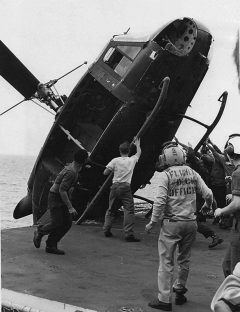
Marine helicopters lifted off from the US Embassy compound in Saigon in a continuous relay that began on the morning of April 29, 1975, and continued through the night, evacuating over 7,000 Americans and South Vietnamese in the final hours before the city fell to North Vietnamese forces. Operation Frequent Wind was the largest helicopter evacuation in history, a desperate improvisation that marked the end of American involvement in a war that had consumed 58,000 American lives, an estimated two to three million Vietnamese lives, and over $800 billion in today's dollars. Ambassador Graham Martin had resisted evacuation planning for weeks, fearing that visible preparations would trigger panic and collapse the South Vietnamese government prematurely. By April 29, the decision could no longer be delayed. North Vietnamese rockets struck Tan Son Nhut Air Base at dawn, killing two Marine guards, the last American combat deaths of the Vietnam War, and making fixed-wing evacuations impossible. President Ford ordered Frequent Wind at 10:51 AM, signaling the start by playing "White Christmas" on Armed Forces Radio, a prearranged code that every American in Saigon had been told to listen for. The scenes at the embassy and at designated evacuation points were chaotic and anguished. Thousands of South Vietnamese who had worked with the Americans, and who faced certain persecution or death under Communist rule, mobbed the gates. Marines used rifle butts to push back crowds trying to scale the embassy walls. Many South Vietnamese were left behind despite promises of evacuation. Others escaped by flying helicopters to the US fleet offshore, often overloading the aircraft to dangerous levels. South Vietnamese pilots ditched dozens of helicopters alongside the carriers after delivering their passengers. The last helicopter lifted off the embassy roof at 7:53 AM on April 30, carrying the final eleven Marines. Hours later, North Vietnamese tanks rolled through the gates of Independence Palace. The iconic photograph of a helicopter on a Saigon rooftop with a line of people climbing a ladder to board it, often misidentified as the embassy, was actually taken at 22 Gia Long Street, an apartment building used by the CIA. The image became the defining visual of American defeat, a symbol of promises broken and allies abandoned that influenced US foreign policy debates for a generation.
April 29, 1975
51 years ago
Key Figures & Places

North Vietnam
Wikipedia
Saigon
Wikipedia
Operation Frequent Wind
Wikipedia
Operation Frequent Wind
Wikipedia
Ho Chi Minh City
Wikipedia
Democratic Republic of Vietnam
Wikipedia
Bombing of Tan Son Nhut Air Base
Wikipedia
Vietnam War
Wikipedia
South Vietnam
Wikipedia
Cambodian campaign
Wikipedia
Cambodia
Wikipedia
Viet Cong
Wikipedia
What Else Happened on April 29
A single mountain of rock in North Africa swallowed an army and spat them out into Europe. Tariq ibn-Ziyad didn't just land; he burned his own ships to ensure h…
The basilica of San Paolo Fuori le Mura cracked open while Rome slept in 801, shaking the Central Apennines hard enough to rattle Spoleto too. It wasn't just st…
Byzantine Emperor Alexius I crushed the Pecheneg army at the Battle of Levounion, ending their threat to Constantinople. By annihilating the nomadic force with …
A Lithuanian cavalry charge at the Vikhra River crushed Smolensk's hopes in minutes. Prince Vasily's army, outnumbered and outmaneuvered by Algirdas's son, didn…
Joan of Arc rode into Orleans on the evening of April 29, 1429, and a city that had been under English siege for six months erupted in hope. The 17-year-old pea…
A seventeen-year-old girl in a white suit walked into a starving city where the French army had been too terrified to move for months. She didn't just talk; she…
Talk to History
Have a conversation with historical figures who witnessed this era. Ask questions, explore perspectives, and bring history to life.