

Farragut Seizes New Orleans: Union Controls the Mississippi
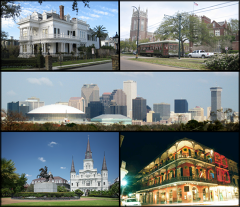
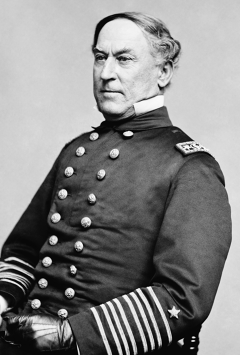
Admiral David Farragut's Union fleet ran a gauntlet of fire from two Confederate forts on the lower Mississippi on the night of April 24, 1862, and seized New Orleans five days later on April 29 without a land battle. The capture of the Confederacy's largest city and most important port was a strategic blow from which the South never recovered. New Orleans controlled access to the Mississippi River, the interior waterway system, and the cotton trade that financed the Confederate war effort. Its loss cut the Confederacy's connection to the western states and deprived it of irreplaceable economic resources. Farragut's approach was characteristically aggressive. Rather than reduce Forts Jackson and St. Philip through prolonged bombardment, as his orders contemplated, he decided to run past them at night with his entire fleet of 24 vessels. The passage began at 2 AM under heavy fire from both forts and a small Confederate naval flotilla. Fire rafts floated downriver toward the Union ships, and the flagship Hartford was briefly set ablaze. The passage took roughly ninety minutes and cost Farragut one ship sunk and several damaged, a price he considered acceptable. The city itself was defenseless once the forts were bypassed. Confederate General Mansfield Lovell, recognizing that his 3,000 militia could not resist Farragut's guns, withdrew without fighting. New Orleans's civilian population was furious, and the reception was hostile. Women dumped chamber pots on Union soldiers from balconies. Men refused to lower Confederate flags. Mayor John Monroe declined to surrender formally, forcing Farragut to send marines to raise the US flag over government buildings. The occupation of New Orleans under General Benjamin Butler became one of the most controversial episodes of the war. Butler's General Order No. 28, which declared that any woman who insulted Union soldiers would be "treated as a woman of the town plying her avocation," caused international outrage and earned him the nickname "Beast Butler" throughout the South. But the military consequences of Farragut's victory were far more significant than the occupation's indignities. Combined with Grant's capture of Vicksburg in July 1863, the fall of New Orleans gave the Union complete control of the Mississippi, splitting the Confederacy in two.
April 29, 1862
164 years ago
Key Figures & Places
What Else Happened on April 29
A single mountain of rock in North Africa swallowed an army and spat them out into Europe. Tariq ibn-Ziyad didn't just land; he burned his own ships to ensure h…
The basilica of San Paolo Fuori le Mura cracked open while Rome slept in 801, shaking the Central Apennines hard enough to rattle Spoleto too. It wasn't just st…
Byzantine Emperor Alexius I crushed the Pecheneg army at the Battle of Levounion, ending their threat to Constantinople. By annihilating the nomadic force with …
A Lithuanian cavalry charge at the Vikhra River crushed Smolensk's hopes in minutes. Prince Vasily's army, outnumbered and outmaneuvered by Algirdas's son, didn…

Joan of Arc rode into Orleans on the evening of April 29, 1429, and a city that had been under English siege for six months erupted in hope. The 17-year-old pea…
A seventeen-year-old girl in a white suit walked into a starving city where the French army had been too terrified to move for months. She didn't just talk; she…
Talk to History
Have a conversation with historical figures who witnessed this era. Ask questions, explore perspectives, and bring history to life.