

Elbe Day: US and Soviet Troops Meet and Shake Hands, Splitting Germany
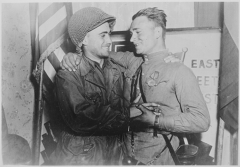
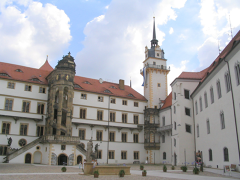
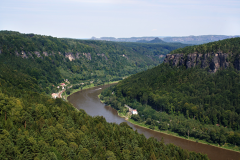
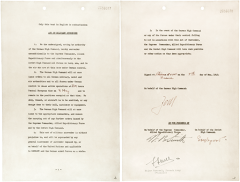
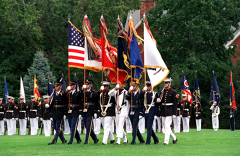
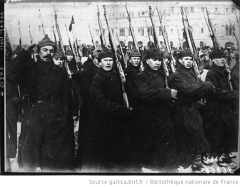
United States and Soviet troops met in Torgau along the River Elbe, slicing the Wehrmacht of Nazi Germany in two. This physical link between Allied forces accelerated the collapse of German defenses and sealed the fate of the Third Reich just weeks before victory in Europe.
April 25, 1945
81 years ago
Key Figures & Places
What Else Happened on April 25
en la ciudad de Armagedón (36 km al sureste del puerto de Haifa, el ejército del faraón Tutmosis III (de la 18.ª Dinastía) derrota al ejército del príncipe de K…
Rats were eating the last of Athens' grain when Sparta's fleet finally sealed the harbor in 404 BC. Admiral Lysander watched as King Pausanias tightened the noo…

Lysander's Spartan fleet crushes the Athenian navy at Aegospotami, compelling Athens to surrender and dismantling its empire. This decisive victory ends the Pel…
en la ciudad de Mediolanum (actual Milán, en el norte de Italia), el obispo Ambrosio de Milán bautiza al filósofo argelino Agustín de Hipona (32) y su hijo Adeo…
en España comienza el XVI Concilio de Toledo.
7,000 nobles lay dead in the snow at Bagrevand. The Armenian nakharars didn't just lose; they bled out their entire ruling class to stop Abbasid taxes. Families…
Talk to History
Have a conversation with historical figures who witnessed this era. Ask questions, explore perspectives, and bring history to life.