

Thutmose III Takes the Egyptian Throne: But Hatshepsut Rules for Him
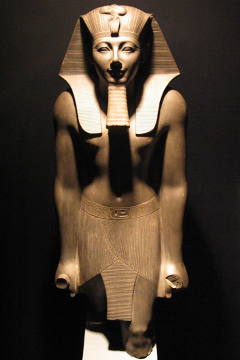
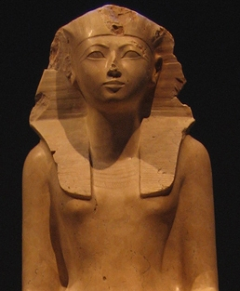
Thutmose III ascended to the throne in 1479 BC, yet real power immediately shifted to his stepmother Hatshepsut. This transfer allowed her to rule as a pharaoh for two decades, transforming Egypt into a wealthy empire before she eventually stepped aside for him to launch his own military campaigns.
April 24, 1479 BC
Key Figures & Places



What Else Happened on April 24

Greek warriors burst from the wooden horse to open the gates of Troy, allowing their army to sack the city and end a decade-long siege. This decisive breach sha…
Ten years of siege, one wooden horse hiding two thousand Greeks. When the gates creaked open, Priam's palace burned and his sons fell by the sword. Helen walked…
Eratosthenes pinned 1183 BC as the day Greek ships burned twelve thousand men and women alive inside wooden walls. He didn't care about gods; he counted the dea…
en Milán (en la actual Italia) es bautizado san Agustín.
مبايعة أبو العباس محمد الراضي بالله بالخلافة في الدولة العباسية وذلك بعد خلع الخليفة أبو منصور محمد القاهر بالله.
le roi de Bourgogne Rodolphe III fait une donation importante en faveur de son épouse Hermengarde de Savoie, de terres qui reviendront finalement au frère de la…
Talk to History
Have a conversation with historical figures who witnessed this era. Ask questions, explore perspectives, and bring history to life.