

Brasilia Inaugurated: Brazil Moves Its Capital to the Middle of Nowhere
Brazilian President Juscelino Kubitschek slashed a ribbon to open Brasília, instantly shifting the nation's political heart from the coast to the interior highlands. This bold relocation forced the federal government to abandon Rio de Janeiro and established a modernist capital designed to accelerate development deep into Brazil's hinterlands.
April 21, 1960
66 years ago
Key Figures & Places
Brazil
Wikipedia
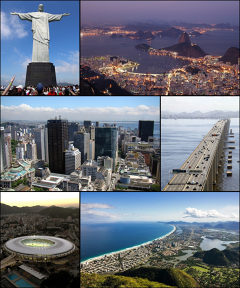
Rio de Janeiro
Wikipedia
republic
Wikipedia
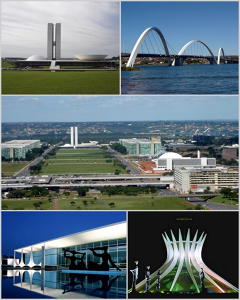
Brasília
Wikipedia
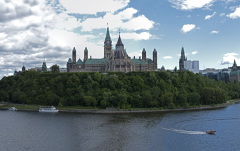
Capital (political)
Wikipedia

Brasília
Wikipedia

Rio de Janeiro
Wikipedia

Brazil
Wikipedia

Oscar Niemeyer
Wikipedia
J. B. Tanko
Wikipedia

Tiradentes
Wikipedia

Juscelino Kubitschek
Wikipedia
Lúcio Costa
Wikipedia
Planhauptstadt
Wikipedia

Historia del Brasil
Wikipedia

Portuguese Empire
Wikipedia

Portuguese Army
Wikipedia

Capitania de Minas Gerais
Wikipedia

Kingdom of Portugal
Wikipedia

Inconfidência Mineira
Wikipedia

Hanged, drawn and quartered
Wikipedia
1746
Wikipedia
Dia da Inconfidência
Wikipedia
What Else Happened on April 21
Romulus traced the boundaries of a new city on the Palatine Hill, establishing the foundation of Rome according to legend. This act transformed a collection of …

Marcus Terentius Varro pinned Rome's founding to April 21, 753 BC, anchoring the city's official calendar despite ancient variations that placed the event as la…

Aulus Hirtius died holding his sword, not as a general, but as a consul who thought he'd won. Mark Antony slipped away from Mutina in 43 BC while his own legion…
fecha tradicional de la fundación de Augusta Emerita, hoy Mérida (España).
Philippe l'Arabe célèbre le millénaire de Rome par des jeux grandioses.
A copper plate in Manila Bay didn't just record debt; it erased a man's entire family line from bondage. Jayadewa, the Commander-in-Chief of Tondo, waved a roya…
Talk to History
Have a conversation with historical figures who witnessed this era. Ask questions, explore perspectives, and bring history to life.