

Lenin Returns to Russia: The Revolution Gets Its Leader
Vladimir Lenin bursts back into Petrograd from Swiss exile, immediately seizing the moment to demand an end to World War I and transfer power to the Soviets. His arrival galvanizes the Bolshevik movement, setting the stage for the October Revolution that dismantles the Provisional Government and births the world's first communist state.
April 16, 1917
109 years ago
Key Figures & Places

Finland
Wikipedia

Switzerland
Wikipedia
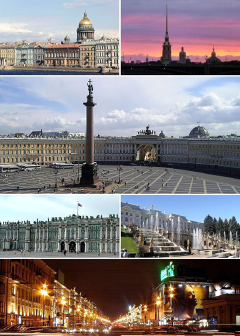
Saint Petersburg
Wikipedia
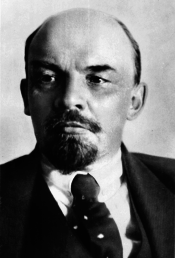
Vladimir Lenin
Wikipedia
Petrograd
Wikipedia
Russia
Wikipedia
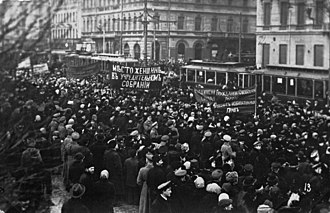
Russian Revolution
Wikipedia

Vladimir Lenin
Wikipedia

Saint Petersburg
Wikipedia

Russian Provisional Government
Wikipedia

Russia
Wikipedia

February Revolution
Wikipedia

Russian history
Wikipedia

Reise Lenins im plombierten Wagen
Wikipedia

Supreme Army Command
Wikipedia

Communist Party of the Soviet Union
Wikipedia

Nicholas II
Wikipedia
What Else Happened on April 16
Thutmose III didn't march through the narrow pass; he marched right past the enemy's flank, catching the Canaanite coalition completely off guard. Over a thousa…
Pharaoh Thutmose III squeezed through a narrow pass called Megiddo, risking his army to outflank a coalition of Canaanite kings. He didn't just win; he stripped…
éclipse totale ayant pu marquer le retour d'Ulysse auprès de Pénélope.[réf. nécessaire]
Otho killed himself just three months after taking the throne. His troops had lost at Bedriacum to Vitellius, and the emperor decided a quick death was better t…

Eleven hundred souls chose death over surrender at Masada. The Romans broke through after months of siege, finding only silence where they expected a fight. Fam…
فتح مصر وسقوط حصن بابليون في يد عمرو بن العاص بعد حصار دام نحو سبعة أشهر.
Talk to History
Have a conversation with historical figures who witnessed this era. Ask questions, explore perspectives, and bring history to life.