

Jackie Robinson Breaks the Color Barrier: Baseball Unites
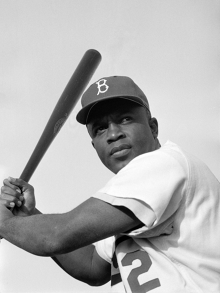
Jackie Robinson trotted onto the grass at Ebbets Field in Brooklyn on April 15, 1947, wearing number 42, and the color line that had divided American baseball since the 1880s ceased to exist. He went 0-for-3 at the plate against the Boston Braves' Johnny Sain, reaching base once on a fielder's choice, but the box score was irrelevant. The 26,623 fans in attendance, more than half of them Black, were watching something larger than a ballgame. They were watching American apartheid crack. Branch Rickey, the Brooklyn Dodgers' general manager, had been planning this moment for years. A devout Methodist who had witnessed the humiliation of a Black player on his college team, Rickey scouted Robinson not just for his athletic ability but for his temperament. Robinson had been a four-sport star at UCLA, a lieutenant in the Army who had faced a court-martial for refusing to sit at the back of a military bus, and a star in the Negro Leagues. Rickey told Robinson he needed a player "with guts enough not to fight back," and Robinson, seething internally, agreed. The abuse Robinson endured during that 1947 season tested the limits of human restraint. Opposing players spiked him on the basepaths and threw at his head. The Philadelphia Phillies' manager Ben Chapman led his team in racial slurs so vicious that it appalled even some segregationist sportswriters. Robinson received death threats. Hotels refused him rooms. Several Dodgers teammates initially petitioned against playing with him, though Rickey and team captain Pee Wee Reese shut down the revolt. Robinson responded by hitting .297 with 12 home runs, leading the league in stolen bases, and winning the inaugural Rookie of the Year award. By season's end, he had drawn over a million fans to Dodgers games. Other teams, seeing the competitive advantage and the box office revenue, began signing Black players. Larry Doby integrated the American League three months after Robinson's debut. The barrier fell faster than anyone had predicted, though full integration of all teams took until the Boston Red Sox added Pumpsie Green in 1959, twelve years after Robinson's first game.
April 15, 1947
79 years ago
Key Figures & Places
What Else Happened on April 15
Pope Stephen III convened the Lateran Council to formally reject the iconoclastic decrees issued by the Council of Hieria fifteen years earlier. By anathematizi…
Robert Guiscard captured Bari, ending five centuries of Byzantine rule in southern Italy. This surrender forced the Eastern Roman Empire to retreat entirely fro…
A river of blood ran red at the Terek as Timur's vultures circled Sarai's ashes. The Golden Horde's capital didn't just fall; it vanished under fire, leaving on…

French cavalry and cannon shattered the English army at Formigny on April 15, 1450, killing or capturing nearly the entire 4,000-man force and shattering Englan…
Swedish infantry didn't just fight; they marched in perfect lockstep while musketeers fired volleys that turned the mud red. Gustavus Adolphus led them at Lütze…
Thousands of starving peasants and hidden Christians held out for months inside Hara Castle. When the Tokugawa forces finally stormed the walls, they didn't jus…
Talk to History
Have a conversation with historical figures who witnessed this era. Ask questions, explore perspectives, and bring history to life.