

Washington Vetoes First Bill: Presidential Power Established
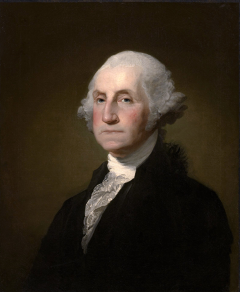
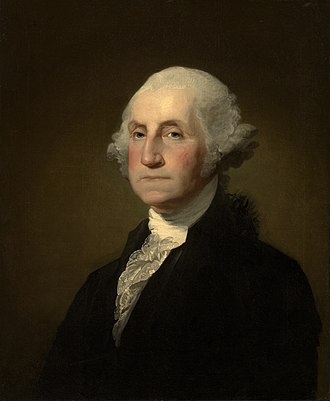
George Washington vetoed an apportionment bill on April 5, 1792, becoming the first president to exercise the constitutional power that Alexander Hamilton had called "a shield to the Executive" and that anti-federalists had feared as a tool of monarchical tyranny. The bill would have allocated seats in the House of Representatives following the 1790 census, and Washington rejected it because it used a mathematical formula that gave some states more representatives than the Constitution allowed based on their populations. The dispute was technical but the stakes were enormous. The bill, supported by Alexander Hamilton's allies, used a method of dividing remainders that favored larger northern states at the expense of smaller southern ones. Thomas Jefferson and James Madison argued that the formula violated the constitutional requirement that no state receive more than one representative per 30,000 people. Washington, who normally aligned with Hamilton on policy matters, sided with Jefferson on this question and sent the bill back to Congress with a brief message explaining his objection. The veto was a cautious, almost reluctant act. Washington was acutely aware that every decision he made established precedent for future presidents, and he did not want the veto to be seen as a tool for imposing the executive's policy preferences on the legislature. He limited his objection to constitutional grounds rather than political disagreement, establishing the norm that early presidents would only veto legislation they believed to be unconstitutional rather than merely unwise. Congress did not attempt to override the veto. The Constitution required a two-thirds majority in both chambers to override, and supporters of the bill knew they lacked the votes. A new apportionment bill using Jefferson's preferred method passed within weeks and Washington signed it. The episode established that the president could check congressional power effectively even without using the veto frequently. Washington vetoed only one other bill during his eight years in office, maintaining the restrained approach that his successors would follow for decades until Andrew Jackson transformed the veto into an aggressive policy instrument.
April 5, 1792
234 years ago
Key Figures & Places


What Else Happened on April 5
He didn't return to conquer; he came back to kneel. In 456, Patrick dragged himself through mud and fear, leaving behind his Roman life to face a king who might…
Pope Paschal I crowned Lothair I as King of Italy in Rome, formalizing the Carolingian grip on the Italian peninsula. This ceremony solidified the alliance betw…
Al-Qa'im bi-Amr Allah marched out of Raqqada with his heir's crown and a starving army, aiming for Egypt's grain stores. Thousands died in the dust before they …
A desperate plea for help from Pope Urban II arrived just as Alexios I Komnenos stepped onto the imperial throne in Constantinople. He wasn't a hero; he was a m…

Alexander Nevsky positioned his forces on the frozen surface of Lake Peipus on April 5, 1242, and waited for the Teutonic Knights to charge. The heavily armored…
He smashed through Porta del Popolo to force his way in, leveling whole city blocks just to pretend he was an ancient emperor. But hundreds of Roman families wa…
Talk to History
Have a conversation with historical figures who witnessed this era. Ask questions, explore perspectives, and bring history to life.