

Battle on the Ice: Alexander Nevsky Crushes the Teutonic Knights on a Frozen Lake
Russian forces under Alexander Nevsky shattered the Teutonic Knights' charge on the frozen surface of Lake Peipus, driving the invaders to retreat and halting their eastward expansion into Novgorod. This decisive victory preserved Russian sovereignty against the Northern Crusades and secured a strategic buffer that allowed the region to develop independently for centuries.
April 5, 1242
784 years ago
Key Figures & Places

Russia
Wikipedia
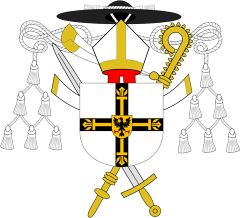
Teutonic Knights
Wikipedia
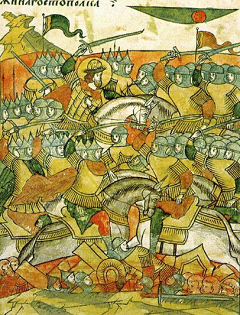
Battle of the Ice
Wikipedia
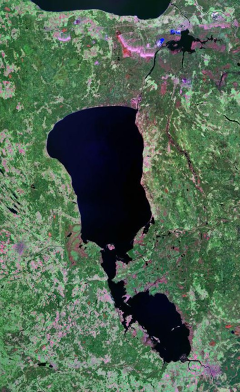
Lake Peipus
Wikipedia
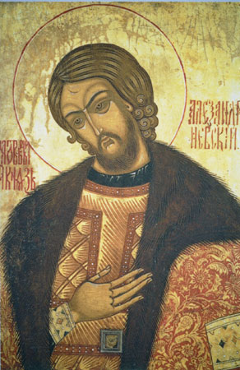
Alexander Nevsky
Wikipedia
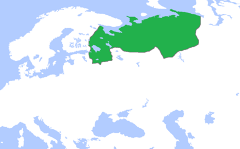
Russian
Wikipedia

Battle on the Ice
Wikipedia

Lake Peipus
Wikipedia

Novgorod Republic
Wikipedia

Alexander Nevsky
Wikipedia

Teutonic Order
Wikipedia

Saint Petersburg
Wikipedia

Veliky Novgorod
Wikipedia

Livonian Brothers of the Sword
Wikipedia

Russia
Wikipedia
What Else Happened on April 5
In der Vereinbarung von Lucca bekräftigen Gaius Iulius Caesar, Marcus Licinius Crassus und Gnaeus Pompeius Magnus auf Initiative von Caesar das vier Jahre zuvor…
He didn't return to conquer; he came back to kneel. In 456, Patrick dragged himself through mud and fear, leaving behind his Roman life to face a king who might…
Pope Paschal I crowned Lothair I as King of Italy in Rome, formalizing the Carolingian grip on the Italian peninsula. This ceremony solidified the alliance betw…
en Aguilar de la Frontera (España), se libra la batalla del castillo de Poley, donde las fuerzas del emir de Córdoba Abdalá vencen a las de Hafsún.
Al-Qa'im bi-Amr Allah marched out of Raqqada with his heir's crown and a starving army, aiming for Egypt's grain stores. Thousands died in the dust before they …
A desperate plea for help from Pope Urban II arrived just as Alexios I Komnenos stepped onto the imperial throne in Constantinople. He wasn't a hero; he was a m…
Talk to History
Have a conversation with historical figures who witnessed this era. Ask questions, explore perspectives, and bring history to life.