

Wilson Asks Congress for War: America Enters World War I
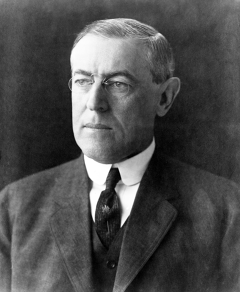
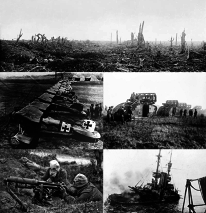
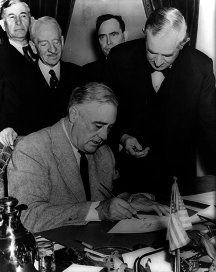
President Wilson asked Congress to declare war after Germany's submarine campaign shattered American neutrality, framing the conflict as a fight for global democracy. Congress approved the declaration by strong bipartisan majorities just days later, transforming the United States into an "associated" power that raised a massive conscript army under General Pershing. This shift forced Britain and France to coordinate with a new ally through the Supreme War Council, fundamentally altering the war's trajectory without a formal treaty alliance.
April 2, 1917
109 years ago
Key Figures & Places

What Else Happened on April 2
Hipótese mais aceita da data da última Ceia de Jesus de Nazaré com seus apóstolos. Depois ele segue para o Monte das Oliveiras e é preso pelas autoridades judai…
Die von ihrem Siedlungsgebiet in Pannonien aufgebrochenen und von verschiedenen germanischen Stämmen (u. a. Gepiden, Sachsen, Thüringern und Sueben) begleiteten…
élection du pape Honorius IV (consécration le 20 mai).
Le prince Louis, futur Louis X de France, devient roi de Navarre.
en Vitoria (España) se firma la escritura de incorporación de Álava a Castilla, reconociendo esta el fuero de aquella.
Mehmed II positioned his massive bronze cannons before the walls of Constantinople, initiating a siege that shattered the final remnants of the Byzantine Empire…
Talk to History
Have a conversation with historical figures who witnessed this era. Ask questions, explore perspectives, and bring history to life.