

Daguerreotype Announced: Photography Is Born
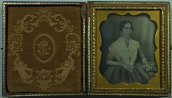
The French Academy of Sciences officially unveils the daguerreotype process, granting Louis Daguerre a lifetime pension while handing the world its first practical method for capturing permanent images. This announcement instantly transforms portraiture from an expensive luxury into a mass medium, democratizing visual memory and launching an industry that would redefine how humanity records its own history.
January 9, 1839
187 years ago
Key Figures & Places




What Else Happened on January 9
en Judea se registra un eclipse lunar. Según el historiador Flavio Josefo, el rey Herodes murió al día siguiente.
A classroom without walls. Where kids design their own learning paths and adults are more like collaborative guides than lecturers. Mont-Libre launched with jus…
Aelia Eudoxia ascended the throne as Augusta of the Eastern Roman Empire, wielding unprecedented political influence for a woman of her era. She leveraged this …
Dowager Empress Verina orchestrated a riot in Constantinople that forced her son-in-law Emperor Zeno to flee the capital, aiming to install her lover Patricius …

Basiliscus seizes power as Emperor Zeno flees Constantinople, plunging the Byzantine Empire into a chaotic civil war that lasts two years. This sudden shift in …
He ran in the night, silk imperial robes bunched in his fists. Zeno—an Isaurian outsider who'd clawed his way to the Byzantine throne—suddenly found himself a r…
Talk to History
Have a conversation with historical figures who witnessed this era. Ask questions, explore perspectives, and bring history to life.