

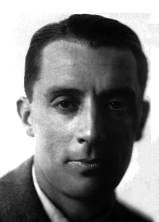
Joliot-Curie Born: Pioneer of Artificial Radioactivity
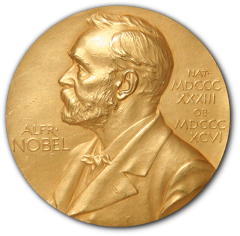
Frederic Joliot-Curie shared the 1935 Nobel Prize with his wife Irene for discovering artificial radioactivity, proving that stable elements could be made radioactive through bombardment. This breakthrough enabled the mass production of medical isotopes and contributed directly to the development of nuclear reactors and weapons.
March 19, 1900
126 years ago
Key Figures & Places
What Else Happened on March 19
Byzantine Emperor Michael VIII Palaiologos and the Venetian Republic secured a two-year truce, stabilizing trade routes across the Mediterranean. By renewing Ve…

Yuan admiral Zhang Hongfan lured the desperate Song navy into a fatal trap at Yamen Bay, where he feigned a banquet to lower defenses before unleashing a surpri…
The Mongol navy crushed the last Song dynasty resistance at the Battle of Yamen, driving the young emperor and his officials to drown themselves in the sea. Thi…
Edward I didn't conquer Wales with a final battle — he did it with paperwork. The Statute of Rhuddlan transformed centuries of Welsh independence into sixteen c…
The journey nearly killed him before he reached Rome. Frederick III spent sixteen months traveling from Vienna to his coronation, dragging his entire court acro…

The peace treaty was signed in a royal château while Catherine de Medici's 13-year-old son Charles IX sat on the throne, barely old enough to understand he'd ju…
Talk to History
Have a conversation with historical figures who witnessed this era. Ask questions, explore perspectives, and bring history to life.