

Cotton Gin Patented: Whitney's Machine Transforms the South and Slavery
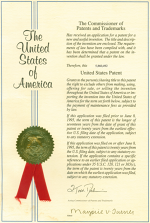
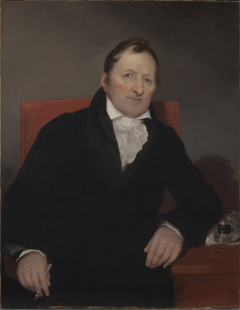
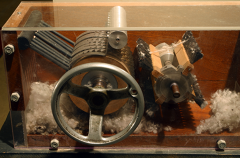
Eli Whitney's 1794 patent for a mechanical cotton gin instantly transformed raw fiber processing by using wire hooks and brushes to separate seeds from lint at unprecedented speeds. This surge in productivity skyrocketed demand for enslaved labor across the American South, inadvertently entrenching the institution of slavery as the engine of the regional economy and setting the stage for the Civil War.
March 14, 1794
232 years ago
Key Figures & Places
What Else Happened on March 14

Casca and Cassius conspire to spare Mark Antony on the eve of their plot against Julius Caesar, a decision that ultimately allows the triumvirate to seize power…
Casca y Casio deciden la noche antes del asesinato a Julio César, que Marco Antonio debería vivir.
Liu Cong, ruler of the Han Zhao state, ordered the execution of the captive Emperor Jin Huidi by poisoning him with a cup of wine. This act dismantled the Jin d…
el emperador Jin Huidi es ejecutado por el Liu Cong, legislador del estado Xiongnu.
The king lost to his own cousins in a single afternoon. At Mogyoród, Géza and Ladislaus faced Solomon—not a foreign invader, but their own blood, the crowned Ki…
Nácer ascende ao trono do Reino Nacérida de Granada após a deposição do seu meio-irmão Maomé III de Granada.
Talk to History
Have a conversation with historical figures who witnessed this era. Ask questions, explore perspectives, and bring history to life.