

Whitney Invents Cotton Gin: Slavery and Industry Transformed
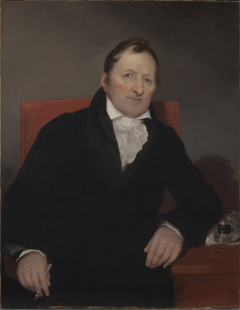
Eli Whitney's 1794 patent for a mechanical cotton gin instantly transformed raw fiber processing by using wire hooks and brushes to separate seeds from lint at unprecedented speeds. This surge in productivity skyrocketed demand for enslaved labor across the American South, inadvertently entrenching the institution of slavery as the engine of the regional economy and setting the stage for the Civil War.
March 14, 1794
232 years ago
Key Figures & Places


What Else Happened on March 14

Casca and Cassius conspire to spare Mark Antony on the eve of their plot against Julius Caesar, a decision that ultimately allows the triumvirate to seize power…
Liu Cong, ruler of the Han Zhao state, ordered the execution of the captive Emperor Jin Huidi by poisoning him with a cup of wine. This act dismantled the Jin d…
The king lost to his own cousins in a single afternoon. At Mogyoród, Géza and Ladislaus faced Solomon—not a foreign invader, but their own blood, the crowned Ki…
The fishermen of Chioggia betrayed their mother city. In 1381, this tiny Venetian lagoon town — barely three miles from the Doge's Palace — signed a secret pact…
Catherine Cornaro ceded the sovereignty of Cyprus to the Venetian Republic, ending her reign as the island’s final monarch. By surrendering her crown, she allow…
Henry of Navarre commanded his cavalry charge at Ivry with white plumes streaming from his helmet, shouting to his outnumbered Huguenot troops: "Follow my panac…
Talk to History
Have a conversation with historical figures who witnessed this era. Ask questions, explore perspectives, and bring history to life.