

Tsar Liberator Assassinated: Alexander II Falls to Bomb
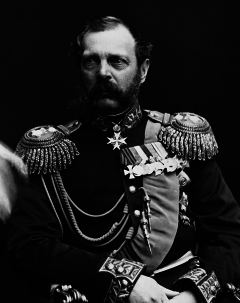
A bomb thrown at the feet of Tsar Alexander II exploded on the Catherine Canal embankment in St. Petersburg on March 13, 1881, killing the ruler who had freed 23 million serfs and was, that very morning, preparing to sign a constitution that would have created Russia's first elected parliament. Alexander II had survived multiple assassination attempts. Revolutionaries from the People's Will organization had been hunting him for years, detonating a bomb in the Winter Palace dining room in 1880 that killed eleven soldiers but missed the tsar. On March 13, Alexander's route from the Mikhailovsky Manege to the Winter Palace took him along the Catherine Canal, where members of the People's Will waited with bombs concealed in newspaper-wrapped packages. The first bomb, thrown by Nikolai Rysakov, destroyed the tsar's bulletproof carriage but left Alexander uninjured. Against the pleading of his guards, the tsar stepped out to inspect the damage and speak to the wounded. A second assassin, Ignacy Hryniewiecki, threw his bomb directly at Alexander's feet. The blast shattered both of the tsar's legs, ripped open his abdomen, and mortally wounded Hryniewiecki as well. Alexander was carried back to the Winter Palace, where he died within hours. His grandson, the future Nicholas II, witnessed the bloody scene. The assassination produced the opposite of what the revolutionaries intended. Alexander's son, Alexander III, abandoned his father's planned constitution and launched a harsh program of political repression, censorship, and forced Russification of ethnic minorities. The reform momentum that might have steered Russia toward constitutional monarchy was extinguished. Russia would not get a parliament until the 1905 Revolution forced Nicholas II to concede the Duma. The People's Will destroyed the one Russian ruler willing to reform the system peacefully, ensuring that when change finally came, it arrived through revolution rather than evolution.
March 13, 1881
145 years ago
Key Figures & Places

What Else Happened on March 13
The Praetorian Guard dragged both bodies through Rome's streets before dumping them in the Tiber River. Elagabalus was eighteen when soldiers murdered him in th…
The Roman Senate chose him — not the clergy. Felix III became pope in 483 because Gothic King Odoacer, who'd deposed the last Western Roman emperor seven years …

Three hundred thirteen men defeated an army three times their size and changed the trajectory of a religion. The Battle of Badr on March 13, 624 CE, fought at t…
Three hundred thirteen men faced a thousand. Muhammad's followers were outnumbered three-to-one at Badr's wells, seventy miles from Medina, but they'd seized th…
The remains of Saint Nicephorus returned to Constantinople, finding their final resting place in the Church of the Holy Apostles. This ceremonial reburial signa…
Cardinal Gregorio Conti assumed the title of Victor IV, challenging the legitimacy of Pope Innocent II after the death of Anacletus II. This schism deepened the…
Talk to History
Have a conversation with historical figures who witnessed this era. Ask questions, explore perspectives, and bring history to life.