

Uranus Discovered by Herschel: He Thought It Was a Comet
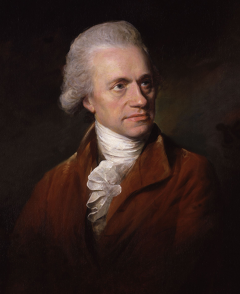
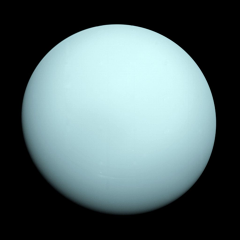
Sir William Herschel spotted a moving object in his garden telescope on March 13, 1781, and initially mistook it for a comet. His careful measurements of its apparent size under high magnification revealed it was not a star or comet, but the first new planet discovered since antiquity. This finding shattered the ancient belief that the solar system ended at Saturn and expanded humanity's map of the cosmos to include a world beyond.
March 13, 1781
245 years ago
Key Figures & Places

What Else Happened on March 13
The Praetorian Guard dragged both bodies through Rome's streets before dumping them in the Tiber River. Elagabalus was eighteen when soldiers murdered him in th…
The Roman Senate chose him — not the clergy. Felix III became pope in 483 because Gothic King Odoacer, who'd deposed the last Western Roman emperor seven years …

A small Muslim force repelled a much larger Meccan army at Badr, instantly establishing Muhammad as the dominant political and military leader in Medina. This d…
Three hundred thirteen men faced a thousand. Muhammad's followers were outnumbered three-to-one at Badr's wells, seventy miles from Medina, but they'd seized th…
élection du pape Grégoire III.
The remains of Saint Nicephorus returned to Constantinople, finding their final resting place in the Church of the Holy Apostles. This ceremonial reburial signa…
Talk to History
Have a conversation with historical figures who witnessed this era. Ask questions, explore perspectives, and bring history to life.