

Cabral's Fleet Leaves Lisbon: They'll Accidentally Discover Brazil
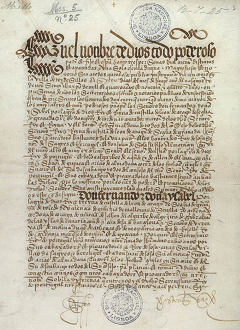
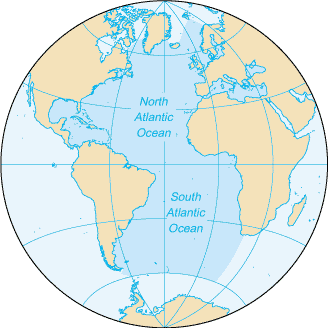
Pedro Alvares Cabral's fleet departed Lisbon bound for India, swinging far west across the Atlantic and making landfall on the Brazilian coast. This accidental discovery fell within Portugal's territorial claims under the Treaty of Tordesillas, giving the crown legal justification to colonize the largest territory in South America.
March 9, 1500
526 years ago
Key Figures & Places
Brazil
Wikipedia
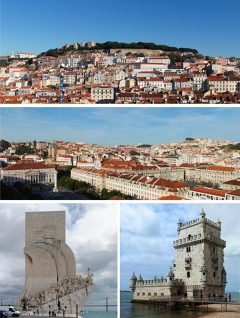
Lisbon
Wikipedia
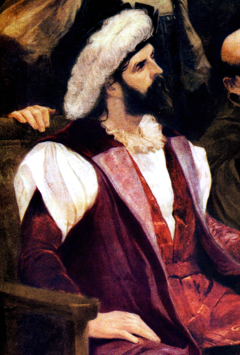
Pedro Alvares Cabral
Wikipedia
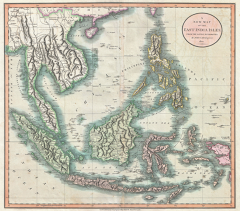
Indies
Wikipedia
Treaty of Tordesillas
Wikipedia

Pedro Álvares Cabral
Wikipedia

Lisbon
Wikipedia

East Indies
Wikipedia

Brazil
Wikipedia

Treaty of Tordesillas
Wikipedia

Kolkata
Wikipedia

Kozhikode
Wikipedia

Südäquatorialstrom
Wikipedia
Atlantic Ocean
Wikipedia

Historia del Brasil
Wikipedia

War of the Spanish Succession
Wikipedia
Anexo:Reyes de España
Wikipedia

Vienna
Wikipedia

Charles VI, Holy Roman Emperor
Wikipedia

Discovery of Brazil
Wikipedia

Portugal
Wikipedia
What Else Happened on March 9
Liu Che ascended the throne as Emperor Wu, initiating a fifty-four-year reign that transformed China into a centralized Confucian state. By expanding imperial b…

Emperor Wu’s 54-year reign established Confucianism as the state philosophy and forged a centralized empire that stretched from Kyrgyzstan to Korea. His dispatc…
en Persia (actual Irán), Bahram VI es coronado como rey de Imperio sasánida.
الرسول محمد يلقي خطبته الأخيرة في يوم عرفة، على جبل الرحمة، خلال ما عُرف بحجة الوداع.
100,000 pilgrims heard Muhammad deliver what nobody knew would be his final words at Mount Arafat. The sermon lasted just minutes, but Muhammad made his scribe …
Monks at the Quedlinburg Abbey recorded the name Litua for the first time in 1009, documenting the death of Saint Bruno of Querfurt during his mission to conver…
Talk to History
Have a conversation with historical figures who witnessed this era. Ask questions, explore perspectives, and bring history to life.