Slater Builds First Mill: American Industry Begins
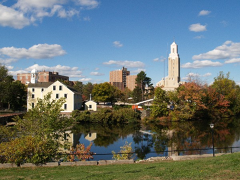
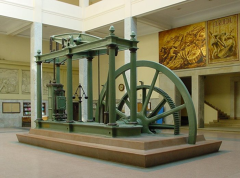
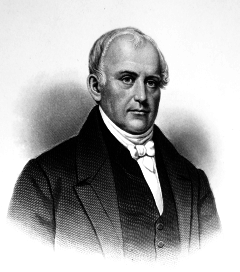
Samuel Slater carried the secrets of British industrialization in his head and built America's first successful cotton mill from memory. On December 20, 1790, Slater's mill began operations in Pawtucket, Rhode Island, using water-powered machinery replicating the spinning technology of Richard Arkwright's English factories. British law made it a crime to export textile machinery or technical drawings, so Slater emigrated with nothing but his knowledge. Slater had apprenticed for six years under Jedediah Strutt, a partner of Arkwright and one of England's leading cotton manufacturers. He learned every aspect of the water-frame spinning system, from roller design to factory layout. At twenty-one, seeing an advertisement from American merchants seeking someone who could build Arkwright-style machinery, he decided to cross the Atlantic. Arriving in New York in 1789, Slater contacted Moses Brown, a wealthy Rhode Island merchant who had been attempting to mechanize cotton spinning. Brown had purchased crude spinning equipment, but no one in America knew how to operate it. Slater examined the machinery, declared it worthless, and offered to build new equipment from scratch. Working from memory with local craftsmen, Slater constructed a water-powered carding and spinning system beside the Blackstone River. The mill employed nine children between ages seven and twelve to tend the machines, establishing a pattern of child labor that would characterize American textile manufacturing for the next century. Slater's mill proved immediately profitable. Within a decade he owned multiple factories, and his system spread throughout New England. The technology transfer he accomplished launched the American Industrial Revolution, transforming the nation from an agricultural economy into a manufacturing power within two generations. The British called him "Slater the Traitor." Americans called him the Father of Manufacturing.
December 20, 1790
236 years ago
Key Figures & Places
What Else Happened on December 20
Antonius Primus marched his legions into Rome, slaughtering the supporters of Vitellius to secure the throne for Vespasian. This violent takeover ended the chao…
Vespasian marched into Rome to claim the imperial throne, ending the chaotic Year of the Four Emperors. By establishing the Flavian dynasty, he restored stabili…
Callixtus I became pope over the dead body of theological purity — at least according to Hippolytus, who refused to acknowledge him. The fight wasn't about powe…
Byzantine Emperor Romanos I Lekapenos lost his throne when his own sons, Stephen and Constantine, arrested him and forced his abdication. This palace coup ended…
Three popes. All claiming St. Peter's throne. None backing down. Henry III rode into Rome with an army and a plan: call a council at Sutri, twenty miles north,…
The most famous warrior-king in Christendom was seized while traveling in disguise through enemy territory. On December 20, 1192, Richard I of England was captu…
Talk to History
Have a conversation with historical figures who witnessed this era. Ask questions, explore perspectives, and bring history to life.