

Richard the Lionheart Captured in Austria: The King Held for Ransom
Leopold V of Austria seized Richard I while the English king returned from the Third Crusade, turning a triumphant homecoming into a decade-long captivity that drained England's treasury and destabilized its governance. This ransom demand forced the crown to levy heavy taxes across the realm, sparking widespread resentment that fueled future rebellions against royal authority.
December 20, 1192
834 years ago
Key Figures & Places

England
Wikipedia

Austria
Wikipedia
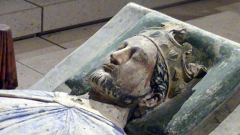
Richard I of England
Wikipedia
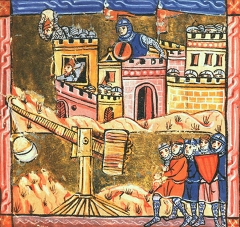
Third Crusade
Wikipedia
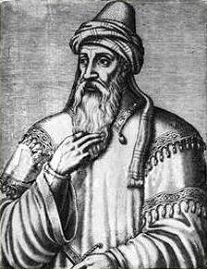
Saladin
Wikipedia
Richard the Lion-Heart
Wikipedia
Leopold V
Wikipedia
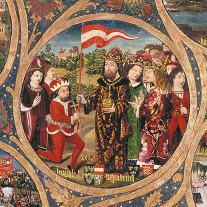
Leopold V
Wikipedia

Richard I of England
Wikipedia

Leopold V, Duke of Austria
Wikipedia

Third Crusade
Wikipedia

Duchy of Austria
Wikipedia

England
Wikipedia

Saladin
Wikipedia
What Else Happened on December 20
Vespasian marched into Rome to claim the imperial throne, ending the chaotic Year of the Four Emperors. By establishing the Flavian dynasty, he restored stabili…
Antonius Primus marched his legions into Rome, slaughtering the supporters of Vitellius to secure the throne for Vespasian. This violent takeover ended the chao…
Callixtus I became pope over the dead body of theological purity — at least according to Hippolytus, who refused to acknowledge him. The fight wasn't about powe…
Byzantine Emperor Romanos I Lekapenos lost his throne when his own sons, Stephen and Constantine, arrested him and forced his abdication. This palace coup ended…
Three popes. All claiming St. Peter's throne. None backing down. Henry III rode into Rome with an army and a plan: call a council at Sutri, twenty miles north,…
Ein Heer der Mongolen unter ihrem Khan Hülegü nimmt nach mehrwöchiger Belagerung die Bergfestung Alamut ein. Mit dem Verlust des Hauptsitzes der Assassinen ende…
Talk to History
Have a conversation with historical figures who witnessed this era. Ask questions, explore perspectives, and bring history to life.