

King Charles I Dies: The Crown Falls in Regicide
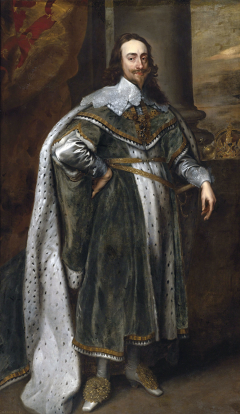
Parliament tried, convicted, and executed Charles I for high treason, instantly abolishing the monarchy to declare the Commonwealth of England. This radical shift plunged the nation into a decade-long interregnum that only ended in 1660 when Charles II restored the crown. The execution fundamentally altered the balance of power between king and parliament, setting a precedent that no monarch stands above the law.
January 30, 1649
377 years ago
Key Figures & Places

What Else Happened on January 30
Two kingdoms, exhausted from decades of border skirmishes, finally exhaled. The Peace of Bautzen wasn't just ink on parchment—it was Bolesław the Brave of Polan…
Bolesław I the Brave secured his western borders by signing the Peace of Bautzen with Holy Roman Emperor Henry II. This treaty ended sixteen years of brutal war…
King Wareru seized power in Martaban, declaring independence from the crumbling Pagan Kingdom to establish the Hanthawaddy Kingdom. This bold break from central…
A wall of water rose without warning. Twelve-foot waves crashed through villages between Bristol and Wales, sweeping away entire communities in minutes. Farmers…

The signing of the Treaties of Münster and Osnabrück finally ended the brutal Eighty Years' War, compelling Spain to formally recognize Dutch independence. This…
King Charles I of England was beheaded, a decisive act that led to the temporary abolition of the monarchy and the establishment of the Commonwealth under Olive…
Talk to History
Have a conversation with historical figures who witnessed this era. Ask questions, explore perspectives, and bring history to life.