Nixon Visits China: Cold War Thaws in Beijing
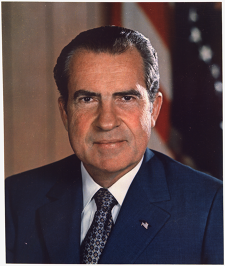
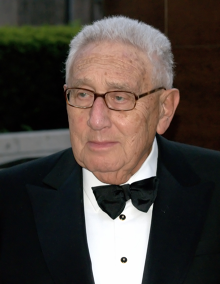
Richard Nixon appeared on live television for three and a half minutes on July 15, 1971, and rearranged the entire geopolitical architecture of the Cold War. The president announced that he had accepted an invitation to visit the People's Republic of China, a country the United States had refused to recognize since the Communist revolution of 1949. The announcement shocked allies, enemies, and most of Nixon's own government, which had been kept almost entirely in the dark. The opening to China had been developing secretly for months through an extraordinary back channel. National Security Advisor Henry Kissinger traveled to Pakistan in July 1971 on a supposed diplomatic tour, faked a stomach illness, and was smuggled aboard a Pakistani aircraft to Beijing for two days of clandestine meetings with Premier Zhou Enlai. Kissinger and Zhou negotiated the framework for a presidential visit while the State Department, the Pentagon, and America's Asian allies knew nothing. Kissinger cabled Nixon: "Eureka." The strategic logic was compelling for both sides. Nixon and Kissinger wanted to exploit the Sino-Soviet split, which had turned the two Communist powers into bitter rivals with border skirmishes and nuclear threats. Playing China against the Soviet Union would give Washington leverage in arms control negotiations and potentially hasten an end to the Vietnam War. China's Mao Zedong wanted American recognition to counterbalance the Soviet military threat on his northern border and to displace Taiwan from China's seat at the United Nations. Nixon traveled to Beijing in February 1972, shaking hands with Zhou Enlai on the tarmac in a gesture deliberately staged to erase the insult of John Foster Dulles's refusal to shake Zhou's hand at the Geneva Conference of 1954. The week-long visit produced the Shanghai Communiqué, which acknowledged the "one China" principle without resolving Taiwan's status. The diplomatic earthquake reshaped the Cold War: the Soviet Union, suddenly facing a potential Sino-American alignment, became more willing to negotiate détente. Formal diplomatic relations between Washington and Beijing followed in 1979.
July 15, 1971
55 years ago
Key Figures & Places
What Else Happened on July 15
Rome dedicated the Temple of Castor and Pollux in the Forum to honor the divine twins who allegedly helped the Republic secure victory at the Battle of Lake Reg…
Titus and his Roman legions smashed through Jerusalem's breached walls, ending the city's desperate defense and sealing the fate of the Second Temple. This brut…
The Imperial Guards wouldn't march another step until she died. Yang Guifei, Emperor Xuanzong's beloved consort, was strangled by his chief eunuch on July 15, 7…
Three years of marching, starvation, plague, and slaughter across two continents ended on the walls of Jerusalem on July 15, 1099, when Crusader soldiers poured…
The Crusaders built their church directly over what they believed was Christ's tomb—while still fighting for control of the streets outside. Fifty years after c…
King John expelled the monks of Canterbury Cathedral after they backed Stephen Langton’s appointment as Archbishop against the King’s wishes. This confrontation…
Talk to History
Have a conversation with historical figures who witnessed this era. Ask questions, explore perspectives, and bring history to life.