Maine Bans Alcohol: The Temperance Movement Begins
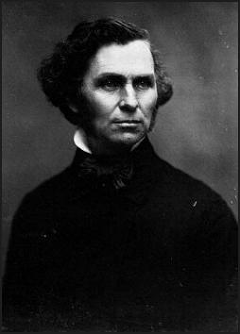
Neal Dow, the mayor of Portland, had spent two decades making enemies before he finally got his law. On June 2, 1851, Maine became the first state in the nation to ban the manufacture and sale of alcohol, enacting legislation so radical and so controversial that newspapers across the country simply called it "the Maine Law." Dow had pushed, cajoled, and bullied the state legislature into passing a total prohibition that allowed exceptions only for medicinal and industrial use. Dow was a wealthy Quaker tanner who had watched Portland’s waterfront workers drink away their wages while their families starved. He joined the temperance movement in the 1830s and quickly grew impatient with its emphasis on moral persuasion. Voluntary pledges of abstinence, Dow argued, would never defeat an industry that profited from addiction. Only the force of law could break the liquor trade’s grip on American life. The Maine Law electrified the temperance movement. Within four years, twelve states and two Canadian provinces passed similar legislation. Advocates organized "Maine Law" conventions and lecture tours. Dow himself became an international celebrity, touring Britain to promote prohibition and drawing crowds that rivaled those of Charles Dickens. Anti-alcohol sentiment crossed political lines, uniting evangelical Protestants, labor reformers, and women’s rights advocates who saw drunkenness as the root cause of domestic violence and poverty. Enforcement proved nearly impossible. Smuggling flourished along Maine’s long, porous borders. Dow’s own reputation suffered catastrophically when a Portland mob stormed a warehouse where he had stored city-purchased liquor meant for medicinal use. Militiamen opened fire, killing one man. Maine repealed the law in 1856, reinstated it in 1858, and spent the next eighty years cycling between wet and dry regimes. The experiment foreshadowed, almost perfectly, the failure of national Prohibition seventy years later.
June 2, 1851
175 years ago
Key Figures & Places
What Else Happened on June 2
Karl Nobiling didn't just shoot the Kaiser — he shot him twice, from a second-floor window in Berlin, loaded with birdshot. Wilhelm I was 81 years old and survi…
A teenage emperor grabbed a sword and marched into the street himself. Cao Mao, 20 years old, knew Sima Zhao controlled everything — the army, the court, his ow…
Vandal forces breached the walls of Rome, systematically stripping the city of its wealth and sacred treasures over fourteen days of relentless looting. This or…
The Caliphate of Córdoba was supposed to be untouchable. At its peak under Abd al-Rahman III, it was the most sophisticated state in Western Europe — libraries,…
Bohemond of Taranto bribed a guard. After seven months of siege warfare, starvation, and plague, the First Crusade’s capture of Antioch on June 3, 1098, came do…
Virginia's original charter didn't just claim a colony. It claimed a continent. Issued by James I in 1606 and expanded in 1609, the grant stretched from the Atl…
Talk to History
Have a conversation with historical figures who witnessed this era. Ask questions, explore perspectives, and bring history to life.