

Thatcher Resigns: The Iron Lady Steps Down After 11 Years
Margaret Thatcher steps down from the Conservative Party leadership contest, ending her twelve-year tenure as Britain's longest-serving prime minister in modern history. Her departure immediately triggers a succession battle that eventually brings John Major to power and signals a decisive shift away from the rigid ideological politics she championed.
November 22, 1990
36 years ago
Key Figures & Places
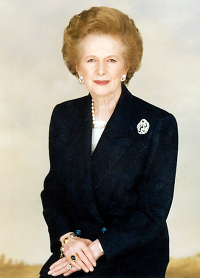
Margaret Thatcher
Wikipedia
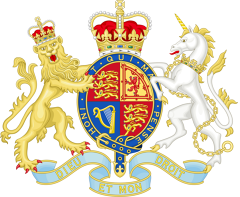
Prime Minister of the United Kingdom
Wikipedia
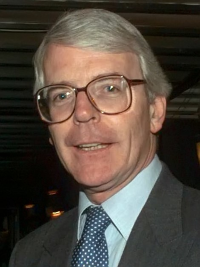
Conservative Party leadership election
Wikipedia

Prime Minister of the United Kingdom
Wikipedia
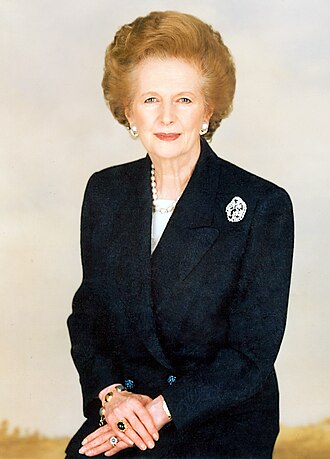
Margaret Thatcher
Wikipedia

1990 Conservative Party leadership election
Wikipedia

Premiership of Margaret Thatcher
Wikipedia

British
Wikipedia

John Major
Wikipedia
621
Wikipedia

Bangor (pays de Galles)
Wikipedia
616
Wikipedia
Conservative Party (UK)
Wikipedia

Elizabeth II
Wikipedia

سعد زغلول
Wikipedia

Egyptian Armed Forces
Wikipedia

Sudan
Wikipedia
Lee Stack
Wikipedia

Egypt
Wikipedia

Basra
Wikipedia

Iraq
Wikipedia

World War I
Wikipedia

Petroleum
Wikipedia

عمرو سلامة
Wikipedia
عزة بهاء
Wikipedia

صبري فواز
Wikipedia

أحمد سيف الإسلام
Wikipedia

حسب الله الكفراوي
Wikipedia

فطين عبد الوهاب
Wikipedia
مصطفى السلاب
Wikipedia
What Else Happened on November 22

Two popes. Same day. Different buildings. When Anastasius II died, Rome's clergy couldn't agree — so they didn't. Symmachus won his vote at the Lateran Palace …
A Breton duke handed a Frankish king his worst humiliation. Nominoe wasn't even royalty yet — just a regional leader Charles the Bald had trusted to govern Brit…
Simon de Montfort's forces breach the Castle of Termes, ending the Cathar stronghold that had defied papal authority for months. This victory shatters organized…
Pope Honorius III crowned Frederick II as Holy Roman Emperor in Rome, formalizing the union of the Sicilian throne with the imperial title. This consolidation f…
Nikolaus III. wird in Viterbo als Nachfolger von Johannes XXI. zum Papst gewählt.
Pope Clement V issued the papal bull Pastoralis Praeeminentiae, ordering every Christian monarch in Europe to arrest the Knights Templar and seize their vast ho…
Talk to History
Have a conversation with historical figures who witnessed this era. Ask questions, explore perspectives, and bring history to life.