

Waco Siege Begins: ATF Raids Branch Davidian Compound
The Bureau of Alcohol, Tobacco and Firearms planned a surprise raid on a compound outside Waco, Texas, but David Koresh knew they were coming. When seventy-six ATF agents approached the Branch Davidian property on the morning of February 28, 1993, armed with a warrant for illegal weapons, they walked into a firefight that left four agents and five Davidians dead and launched a fifty-one-day siege that would end in catastrophe. The Branch Davidians were a splinter sect of the Seventh-day Adventist Church, and Koresh, born Vernon Howell, had seized control through a combination of charismatic preaching and intimidation. He claimed to be the final prophet, took multiple "wives" including girls as young as twelve, and had been stockpiling an arsenal that included AR-15 rifles converted to fully automatic fire, hundreds of thousands of rounds of ammunition, and components for explosive devices. ATF investigators had spent months building a case, including sending an undercover agent to live near the compound. The raid went wrong from the first seconds. A local television reporter had asked a mail carrier for directions to the compound that morning, and the carrier — who happened to be Koresh's brother-in-law — drove to warn him. When ATF agents arrived in cattle trailers and attempted a dynamic entry, gunfire erupted. The exchange lasted two hours. Four agents were killed and sixteen wounded. Five Davidians died. Television cameras captured agents pinned down on the compound's roof, images that would be replayed for months. The FBI took over and began a siege that lasted until April 19, when a tear gas assault ignited fires that destroyed the compound. Seventy-six Davidians died, including twenty-five children. The Waco disaster became a rallying cry for anti-government movements and was cited by Timothy McVeigh as his motivation for the Oklahoma City bombing exactly two years later. Congressional hearings and internal reviews revealed catastrophic failures in planning, intelligence, and command at every level of federal law enforcement. Waco fundamentally changed how the American government approaches standoffs with armed groups, though the lessons came at an unconscionable price.
February 28, 1993
33 years ago
Key Figures & Places

Bureau of Alcohol, Tobacco and Firearms
Wikipedia
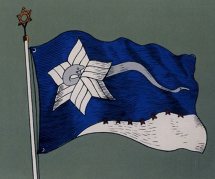
Branch Davidian
Wikipedia
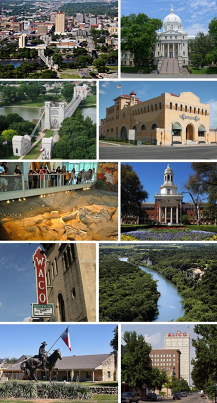
Waco, Texas
Wikipedia
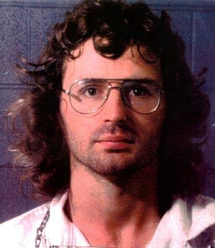
David Koresh
Wikipedia
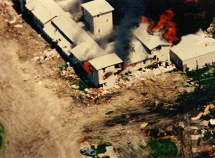
Waco Siege
Wikipedia

Bureau of Alcohol, Tobacco, Firearms and Explosives
Wikipedia

Waco siege
Wikipedia

Branch Davidians
Wikipedia

Waco, Texas
Wikipedia

David Koresh
Wikipedia

Texas
Wikipedia

Bureau of Alcohol, Tobacco and Firearms
Wikipedia
What Else Happened on February 28

Liu Bang was a former village headman who drank too much, avoided honest work, and had once released a chain gang of convicts rather than deliver them to their …
Liu Bang ascended the throne as Emperor Gaozu, unifying China after the chaotic collapse of the Qin dynasty. By establishing the Han dynasty, he institutionaliz…
Kavadh II ordered the execution of his father, Khosrau II, ending the reign of the last great Sasanian King of Kings. This regicide shattered the stability of t…
The Fourth Council of Constantinople closed after ten sessions. It had one job: decide whether Photius or Ignatius was the legitimate Patriarch of Constantinopl…
Ferdinand III of Castile secured the surrender of Jaén, dismantling the last major defensive stronghold protecting the Nasrid Kingdom of Granada. This victory f…

Hernan Cortes ordered the execution of the last Aztec emperor during a paranoid march through the jungles of Honduras, far from the empire Cuauhtemoc had once r…
Talk to History
Have a conversation with historical figures who witnessed this era. Ask questions, explore perspectives, and bring history to life.