MASH Finale: Most Watched TV Episode in History
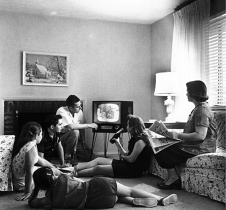
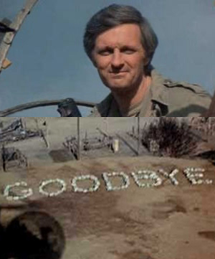
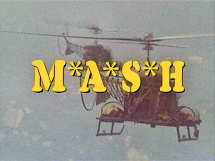
An estimated 106 to 125 million Americans — nearly half the country's population — watched a single television episode on the night of February 28, 1983. The series finale of M*A*S*H, titled "Goodbye, Farewell and Amen," drew the largest audience for any broadcast in American television history, a record that stood for twenty-seven years and was only surpassed by the 2010 Super Bowl, which had the advantage of a population seventy million larger. The two-and-a-half-hour episode, written and directed by Alan Alda, was designed as a feature film rather than a standard television episode. CBS charged $450,000 for a thirty-second commercial slot, the highest advertising rate in television history at that time. Bars in New York City emptied. Water utilities in major cities reported massive drops in pressure during the broadcast — attributed to millions of toilets flushing during commercial breaks — followed by surges when commercials ended. M*A*S*H had premiered on September 17, 1972, as a half-hour comedy set in a U.S. Army surgical hospital during the Korean War. Over eleven seasons, the show evolved from an irreverent comedy into something more complex: a meditation on the psychological costs of war, wrapped in humor dark enough to make viewers laugh and flinch in the same scene. The show outlasted the three-year Korean War by eight years, a fact the writers acknowledged with increasing self-awareness. The core cast — Alda's Hawkeye Pierce, Mike Farrell's B.J. Hunnicutt, Harry Morgan's Colonel Potter — became some of the most familiar faces in American culture. The finale's emotional centerpiece involved Hawkeye recovering a repressed memory of witnessing a Korean woman smother her own baby to keep it quiet during a North Korean patrol — a scene that pushed the boundaries of network television and crystallized the show's argument that war destroys the people it does not kill. The episode ended with B.J. spelling "GOODBYE" in stones on the helicopter pad, visible as Hawkeye flew away. The audience that watched it represented a communal media experience that the fragmented television landscape of the twenty-first century has made essentially impossible to replicate.
February 28, 1983
43 years ago
Key Figures & Places

What Else Happened on February 28
Liu Bang was a former village headman who drank too much, avoided honest work, and had once released a chain gang of convicts rather than deliver them to their …
Liu Bang ascended the throne as Emperor Gaozu, unifying China after the chaotic collapse of the Qin dynasty. By establishing the Han dynasty, he institutionaliz…
Kavadh II ordered the execution of his father, Khosrau II, ending the reign of the last great Sasanian King of Kings. This regicide shattered the stability of t…
The Fourth Council of Constantinople closed after ten sessions. It had one job: decide whether Photius or Ignatius was the legitimate Patriarch of Constantinopl…
Ferdinand III of Castile secured the surrender of Jaén, dismantling the last major defensive stronghold protecting the Nasrid Kingdom of Granada. This victory f…
Hernan Cortes ordered the execution of the last Aztec emperor during a paranoid march through the jungles of Honduras, far from the empire Cuauhtemoc had once r…
Talk to History
Have a conversation with historical figures who witnessed this era. Ask questions, explore perspectives, and bring history to life.