

Ariel Sharon Visits the Temple Mount: The Second Intifada Begins
Ariel Sharon walked onto the Temple Mount compound in Jerusalem surrounded by over a thousand police officers, a visit Palestinians viewed as a deliberate provocation at one of Islam's holiest sites. The resulting riots escalated within days into the Second Intifada, a five-year cycle of violence that killed thousands and destroyed the Oslo peace process.
September 28, 2000
26 years ago
Key Figures & Places

Ariel Sharon
Wikipedia
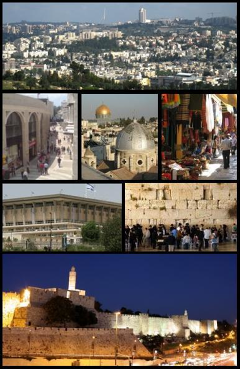
Jerusalem
Wikipedia
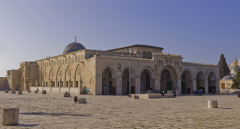
Al-Aqsa Mosque
Wikipedia
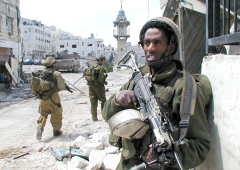
Al-Aqsa Intifada
Wikipedia
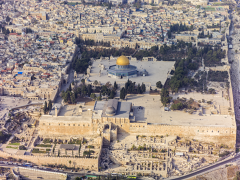
Temple Mount
Wikipedia

Second Intifada
Wikipedia

Ariel Sharon
Wikipedia

Temple Mount
Wikipedia

Jerusalem
Wikipedia

Mosque
Wikipedia

Mezquita de Al-Aqsa
Wikipedia

Palestinians
Wikipedia

Lower Austria
Wikipedia

Marchegg
Wikipedia
Geiselnahme in Marchegg
Wikipedia

Hostage
Wikipedia

Israel
Wikipedia
المسجد الأقصى
Wikipedia
What Else Happened on September 28
Pompey the Great steps onto Egyptian soil only to be beheaded by agents of King Ptolemy XIII, who hopes to secure Rome's favor. This brutal betrayal forces Juli…

King Ptolemy of Egypt ordered Pompey the Great's assassination as soon as the Roman general landed, hoping to win Caesar's favor. This brutal betrayal instead d…
Pompey the Great stepped onto the Egyptian shore seeking refuge, only to be betrayed and stabbed by agents of King Ptolemy XIII. This cold-blooded execution end…
Pope Pontian became the first pope to formally resign — not over scandal, but because the Roman Emperor Maximinus Thrax had him arrested and sentenced to the mi…
Constantius II crushed the forces of the usurper Magnentius at the Battle of Mursa Major, reuniting the fractured Roman Empire under his sole rule. The staggeri…
Procopius was a minor relative of Julian the Apostate and, by most accounts, not particularly ambitious — until he spotted two legions marching through Constant…
Talk to History
Have a conversation with historical figures who witnessed this era. Ask questions, explore perspectives, and bring history to life.