

First Motor Race: Paris to Rouen, 79 Miles, Top Speed 12 MPH
The first ever motor race erupted from Paris to Rouen in 1894, yet the fastest finisher, Comte Jules-Albert de Dion, lost the official victory to Albert Lemaître driving a 3 hp petrol-engined Peugeot. This controversial outcome established the precedent that reliability and fuel efficiency mattered more than raw speed, effectively shaping the early engineering priorities of the automotive industry.
July 22, 1894
132 years ago
Key Figures & Places

France
Wikipedia
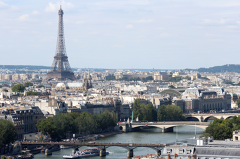
Paris
Wikipedia
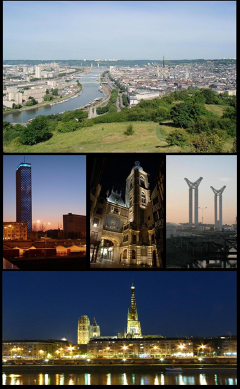
Rouen
Wikipedia

Peugeot
Wikipedia
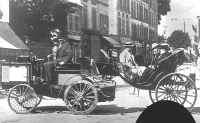
first ever motor race
Wikipedia
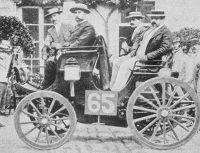
Albert Lemaître
Wikipedia
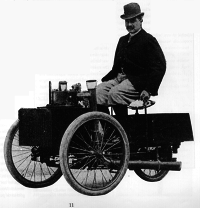
Jules-Albert de Dion
Wikipedia

Paris–Rouen (motor race)
Wikipedia

Jules-Albert de Dion
Wikipedia

Albert Lemaître
Wikipedia

Peugeot
Wikipedia

Kilómetro por hora
Wikipedia
1894 en sport
Wikipedia

Compétition automobile avant 1906
Wikipedia

Panhard
Wikipedia
Motorsportjahr 1894
Wikipedia

Automovilismo
Wikipedia

Rouen
Wikipedia
What Else Happened on July 22
Dionysius wird zum Bischof von Rom gewählt und sieht sich mit der Aufgabe konfrontiert, die Kirche nach Christenverfolgungen neu zu organisieren.
The Abbasid army crushed Emperor Theophilos’s forces at the Battle of Anzen, nearly capturing the Byzantine ruler himself. This defeat shattered the myth of Byz…
Crusaders slaughtered nearly the entire population of Béziers, including thousands of Catholics, during the opening act of the Albigensian Crusade. By refusing …
A coalition of German princes and towns shattered King Valdemar II’s Baltic empire at the Battle of Bornhöved, ending Danish dominance in Northern Europe. This …
Eine venezianische Flotte erscheint vor Konstantinopel und zerstört Wohnungen der Genueser im Stadtteil Galata.

King Edward I's longbowmen shattered William Wallace's schiltrons at Falkirk, compelling the Scottish leader to abandon his campaign for independence. This crus…
Talk to History
Have a conversation with historical figures who witnessed this era. Ask questions, explore perspectives, and bring history to life.