

Battle of Falkirk: Edward I Crushes Wallace's Scots
King Edward I's longbowmen shattered William Wallace's schiltrons at Falkirk, compelling the Scottish leader to abandon his campaign for independence. This crushing defeat ended Wallace's brief control over Scotland and secured English dominance until Robert the Bruce eventually rose to challenge the crown decades later.
July 22, 1298
728 years ago
Key Figures & Places
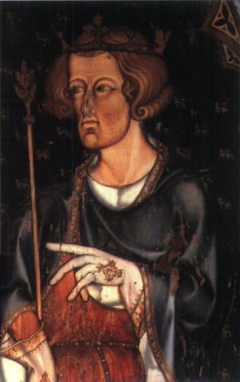
Edward I of England
Wikipedia
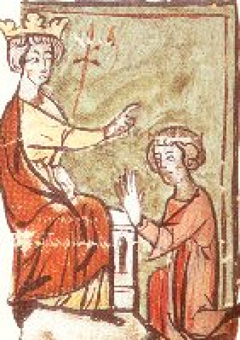
Wars of Scottish Independence
Wikipedia
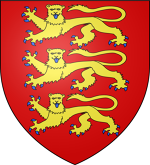
Battle of Falkirk (1298)
Wikipedia
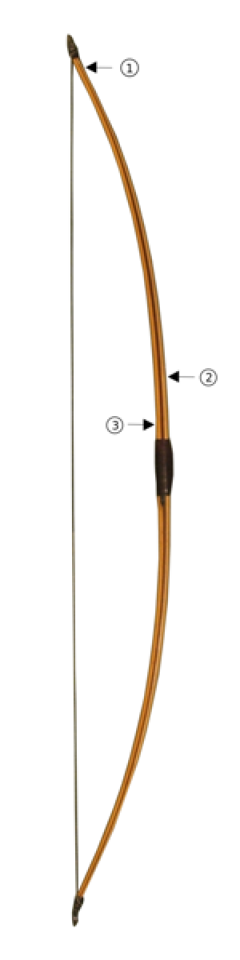
longbowmen
Wikipedia
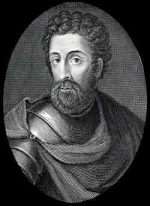
William Wallace
Wikipedia
schiltrons
Wikipedia
Sheltron
Wikipedia
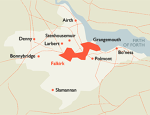
Falkirk
Wikipedia

Wars of Scottish Independence
Wikipedia

Battle of Falkirk
Wikipedia

Edward I
Wikipedia
Longbow
Wikipedia

William Wallace
Wikipedia

Schiltron
Wikipedia

Falkirk
Wikipedia

Archer
Wikipedia

Lanceiro
Wikipedia
What Else Happened on July 22
Dionysius wird zum Bischof von Rom gewählt und sieht sich mit der Aufgabe konfrontiert, die Kirche nach Christenverfolgungen neu zu organisieren.
The Abbasid army crushed Emperor Theophilos’s forces at the Battle of Anzen, nearly capturing the Byzantine ruler himself. This defeat shattered the myth of Byz…
Crusaders slaughtered nearly the entire population of Béziers, including thousands of Catholics, during the opening act of the Albigensian Crusade. By refusing …
A coalition of German princes and towns shattered King Valdemar II’s Baltic empire at the Battle of Bornhöved, ending Danish dominance in Northern Europe. This …
Eine venezianische Flotte erscheint vor Konstantinopel und zerstört Wohnungen der Genueser im Stadtteil Galata.
en Europa sucede la Inundación del Día de María Magdalena, la más grande registrada en ese continente (los niveles de agua superaron los de las inundaciones de …
Talk to History
Have a conversation with historical figures who witnessed this era. Ask questions, explore perspectives, and bring history to life.