

Titanic Sinks: 1,500 Perish in the North Atlantic
The RMS Titanic broke apart and sank in the freezing North Atlantic, killing 1,517 of its 2,227 passengers and crew in the deadliest peacetime maritime disaster of its era. Only 710 survivors were pulled from lifeboats, many half-empty because crew had launched them before they were full, compounding a catastrophe born of hubris.
April 15, 1912
114 years ago
Key Figures & Places
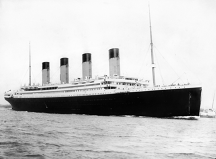
RMS Titanic
Wikipedia
Atlantic Ocean
Wikipedia
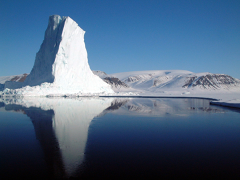
iceberg
Wikipedia

Titanic
Wikipedia

sinking of the RMS Titanic
Wikipedia
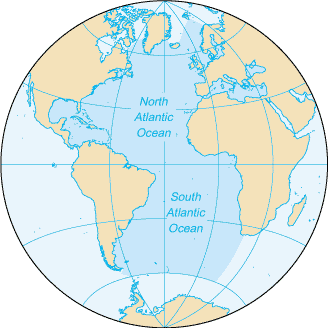
Atlantic Ocean
Wikipedia

Iceberg
Wikipedia

Seville
Wikipedia

Christopher Columbus
Wikipedia

Ocean liner
Wikipedia

Pueblo británico
Wikipedia
14 de abril
Wikipedia

RMS Carpathia
Wikipedia
What Else Happened on April 15
Nach einjähriger Belagerung nimmt die römische Legio X Fretensis unter Lucius Flavius Silva Nonius Bassus die von 973 Zeloten unter der Führung von Eleasar ben …
Pope Stephen III convened the Lateran Council to formally reject the iconoclastic decrees issued by the Council of Hieria fifteen years earlier. By anathematizi…
Robert Guiscard captured Bari, ending five centuries of Byzantine rule in southern Italy. This surrender forced the Eastern Roman Empire to retreat entirely fro…
Henri VI est couronné Empereur romain germanique.
Die Urkunde Goldene Handfeste wird durch König Friedrich II. in Frankfurt am Main ausgestellt. Bern erhält darin Stadtrechte und wird Freie Reichsstadt. Die Urk…
début de la bataille d'Elbistan.
Talk to History
Have a conversation with historical figures who witnessed this era. Ask questions, explore perspectives, and bring history to life.