

Powers Swapped for Abel: Cold War's Most Famous Spy Exchange
The United States traded a downed U-2 pilot and his plane for Soviet intelligence chief Rudolf Abel, swapping a high-profile espionage capture for a seasoned spy mastermind. This exchange ended the immediate crisis but cemented a precedent where both superpowers would routinely swap captured agents rather than risk further escalation or public embarrassment.
February 10, 1962
64 years ago
Key Figures & Places
United States
Wikipedia

Soviet Union
Wikipedia

Soviet
Wikipedia
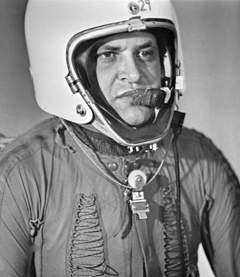
Gary Powers
Wikipedia
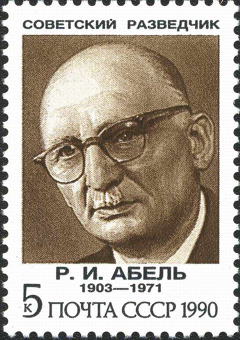
Rudolf Abel
Wikipedia
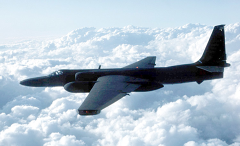
Lockheed U-2
Wikipedia

Cold War
Wikipedia

Lockheed U-2
Wikipedia

Francis Gary Powers
Wikipedia

Soviet Union
Wikipedia

Rudolf Abel
Wikipedia

Territories of Poland annexed by the Soviet Union
Wikipedia

División Azul
Wikipedia

Estonia
Wikipedia

Latvia
Wikipedia

Lithuania
Wikipedia

World War II
Wikipedia

Red Army
Wikipedia

Operación Estrella Polar
Wikipedia

Siege of Leningrad
Wikipedia
Grupo de Ejércitos Norte
Wikipedia

Battle of Krasny Bor
Wikipedia

Siberia
Wikipedia

Glienicker Brücke
Wikipedia

Pariser Friedenskonferenz 1946
Wikipedia

Axis powers
Wikipedia

Geschichte Italiens
Wikipedia
Territoire libre de Trieste
Wikipedia

East Pomeranian offensive
Wikipedia

Imperial Japanese Army
Wikipedia

Banjarmasin
Wikipedia

Borneo
Wikipedia

Dutch East Indies
Wikipedia
What Else Happened on February 10
en el mar Mediterráneo, según una tradición cristiana del siglo V, basada en el relato descrito en el libro griego Los hechos de los apóstoles (escrito hacia el…
l'évêque d'Uzès en Languedoc Ébrard II signe une charte de fondation de la chartreuse de Valbonne avec son prédécesseur.
Köpenick wird unter dem Namen Copanic erstmals urkundlich erwähnt.
The Mongols destroyed Baghdad's libraries by throwing books into the Tigris. The river ran black with ink for six months. The House of Wisdom — 500 years of acc…

Hulagu Khan's forces stormed Baghdad in 1258, slaughtering thousands and extinguishing the Abbasid Caliphate that had anchored Islamic civilization for five cen…

Robert the Bruce stabbed John Comyn in front of a church altar during peace negotiations. His companion asked if Comyn was dead. Bruce said he wasn't sure. The …
Talk to History
Have a conversation with historical figures who witnessed this era. Ask questions, explore perspectives, and bring history to life.