

Slavery Abolished: Thirteenth Amendment Ratified
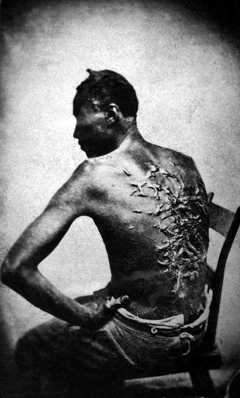
The Senate and House cleared the path for the Thirteenth Amendment in 1864 and early 1865, prompting Secretary of State William H. Seward to proclaim its adoption on December 18. This action permanently abolished slavery across the United States, transforming the legal status of millions while granting Congress unique power to outlaw private acts of peonage and modern trafficking that later amendments could not reach.
January 31, 1865
161 years ago
Key Figures & Places
What Else Happened on January 31
Silvester I ascended to the papacy, inheriting a church newly empowered by Emperor Constantine’s Edict of Milan. His long tenure oversaw the construction of the…
A whisper of divine authority in a world still trembling from Constantine's recent Christian revolution. Sylvester didn't just inherit a church—he stepped into …
Blood splattered the frozen Swedish landscape. King Sverker thought he'd crush his young rival decisively—instead, Prince Eric's forces decimated his army in a …
The Mudéjar fighters knew their end was near. Cornered in Murcia after two years of resistance, they'd held out against impossible odds—defending a city where t…
France ceded the Kingdom of Naples to Aragon through the Treaty of Lyon, formally ending their territorial claims in Southern Italy. This surrender solidified S…
France and Spain partitioned Italy through the Treaty of Lyon, formalizing French control over the north and Spanish authority in the south. This agreement ende…
Talk to History
Have a conversation with historical figures who witnessed this era. Ask questions, explore perspectives, and bring history to life.