

Cullinan Diamond Found: 3,106 Carats, Largest Diamond Ever
Miners at the Premier Mine near Pretoria unearthed the Cullinan, a staggering 3,106.75-carat diamond that dwarfs every other gem ever discovered. This massive stone eventually supplied the British Crown with its most prized jewels, including the Great Star of Africa set in the Sovereign's Sceptre.
January 26, 1905
121 years ago
Key Figures & Places
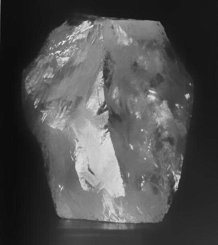
Cullinan Diamond
Wikipedia
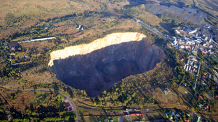
Premier Mine
Wikipedia

Pretoria
Wikipedia
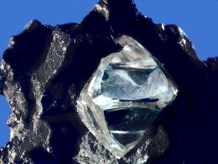
diamond
Wikipedia

Diamond
Wikipedia

Cullinan Diamond
Wikipedia

Premier Mine
Wikipedia

Pretoria
Wikipedia

South Africa
Wikipedia

Transvaal Colony
Wikipedia

Edward VII
Wikipedia

England
Wikipedia

Amsterdam
Wikipedia

Netherlands
Wikipedia
Rugby Football Union
Wikipedia

Club
Wikipedia

Rugby football
Wikipedia
Sportverband
Wikipedia

Edward III of England
Wikipedia

France
Wikipedia
What Else Happened on January 26
Ali ibn Abi Talib was praying when the sword struck. A poisoned blade, wielded by a Kharijite assassin named Ibn Muljam, cut down Muhammad's cousin and son-in-l…
Os coimperadores Estêvão e Constantino são destituídos e forçados a se tornarem monges por Constantino VII, que se torna o único imperador do Império Romano Ori…
en la Taifa de Zaragoza (en la actual España), Al-Musta'in se casa con la hija de Abu Bakr de Valencia, a la que asistieron los reyes taifas de al-Ándalus y, co…
Der englische König Eduard III. erklärt sich zu Beginn des Hundertjährigen Krieges selbst zum König von Frankreich.
King Edward III formally claimed the French throne, asserting his right through his mother, Isabella of France. This declaration escalated the dynastic tensions…
rétablissement de la prévôté des marchands de Paris (France).
Talk to History
Have a conversation with historical figures who witnessed this era. Ask questions, explore perspectives, and bring history to life.