

Seoul Falls Again: Chinese Forces Capture South Korea's Capital
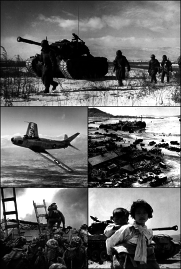
Seoul fell for the second time in six months. Chinese and North Korean forces entered the city on January 4, 1951, after UN forces — led by the US Eighth Army — chose to abandon it rather than fight street by street. Three weeks earlier, 300,000 Chinese troops had crossed the Yalu River and shattered the American advance. The UN commander, General Matthew Ridgway, had taken over the Eighth Army after its previous commander died in a jeep accident on Christmas Day. Ridgway found an army that had stopped believing it could win. He relieved officers, walked the front lines, and pinned grenades to his chest so his soldiers could find him in a fight. The counteroffensive began in January. By March, Seoul was back in UN hands. It changed hands four times total. The city Seoulites live in today was built from rubble.
January 4, 1951
75 years ago
Key Figures & Places



What Else Happened on January 4
Julius Caesar suffered his first tactical defeat at the Battle of Ruspina, narrowly escaping total annihilation after Titus Labienus’s cavalry surrounded his ou…
en Roma, Eutiquiano sucede a Félix I como papa.
Ethelred of Wessex clashed with a Danish army at Reading, suffering a defeat that foreshadowed the Viking's growing power. This loss, though a setback, didn't b…
Alphonse III prend le titre de roi de Portugal.
In Spandau bei Berlin unterzeichnet Markgraf Johann I. von Brandenburg die Gründungsurkunde der Stadt Neubrandenburg.
Der flämische Forschungsreisende Wilhelm von Rubruk und seine Begleiter erhalten eine Audienz beim mongolischen Großkhan Möngke Khan, an dessen Hof sie sich sei…
Talk to History
Have a conversation with historical figures who witnessed this era. Ask questions, explore perspectives, and bring history to life.