

Charles I Storms Parliament: The English Civil War Begins
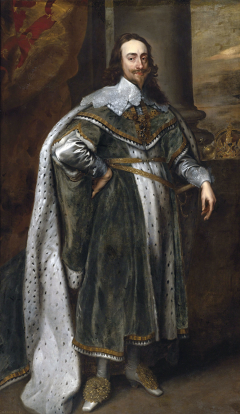
Charles I didn't come alone. He brought 400 soldiers into the House of Commons on January 4, 1642, looking for five members of Parliament he wanted arrested for treason. When he arrived, the chamber was empty. Speaker William Lenthall knelt on the floor and told the king he had no eyes to see, no ears to hear, no tongue to speak, except as Parliament directed. The five men had slipped out through a back door minutes earlier. Charles left having found nobody, looking like a bully who'd walked into the wrong room. His attempt to seize Parliament's leadership by force destroyed whatever remained of his authority. Within months, England was at war with itself. The Civil War lasted nearly a decade. Charles lost his crown — and eventually his head — on a scaffold outside the Banqueting House in 1649. The Parliament he'd tried to arrest outlived him.
January 4, 1642
384 years ago
Key Figures & Places

What Else Happened on January 4
Julius Caesar suffered his first tactical defeat at the Battle of Ruspina, narrowly escaping total annihilation after Titus Labienus’s cavalry surrounded his ou…
en Roma, Eutiquiano sucede a Félix I como papa.
Ethelred of Wessex clashed with a Danish army at Reading, suffering a defeat that foreshadowed the Viking's growing power. This loss, though a setback, didn't b…
Alphonse III prend le titre de roi de Portugal.
In Spandau bei Berlin unterzeichnet Markgraf Johann I. von Brandenburg die Gründungsurkunde der Stadt Neubrandenburg.
Der flämische Forschungsreisende Wilhelm von Rubruk und seine Begleiter erhalten eine Audienz beim mongolischen Großkhan Möngke Khan, an dessen Hof sie sich sei…
Talk to History
Have a conversation with historical figures who witnessed this era. Ask questions, explore perspectives, and bring history to life.