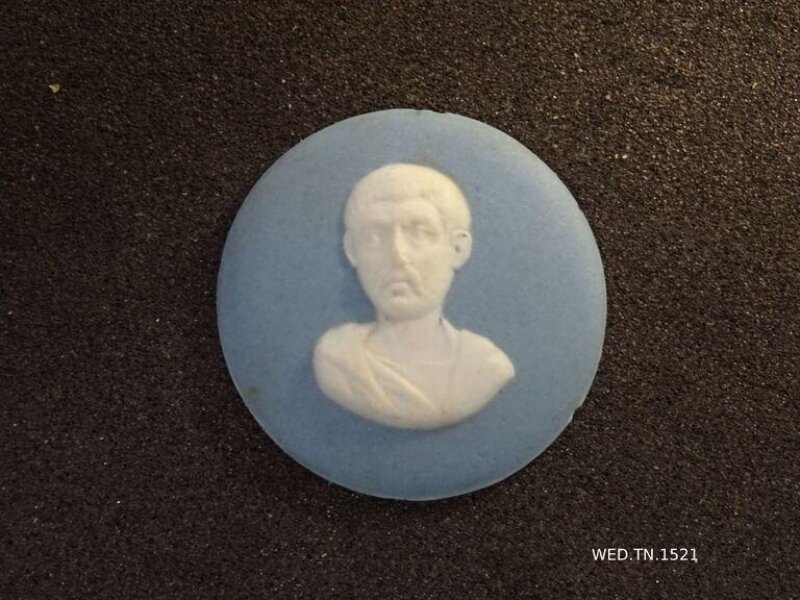
Marcus Aurelius
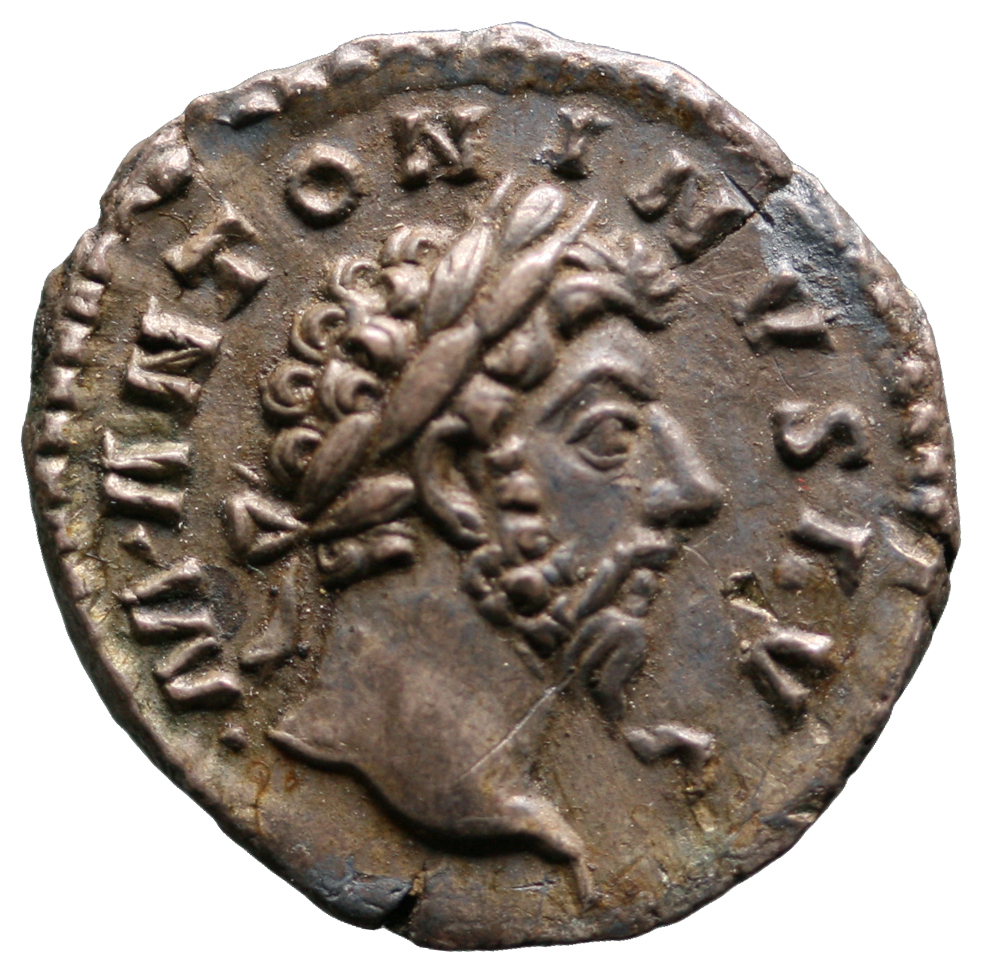
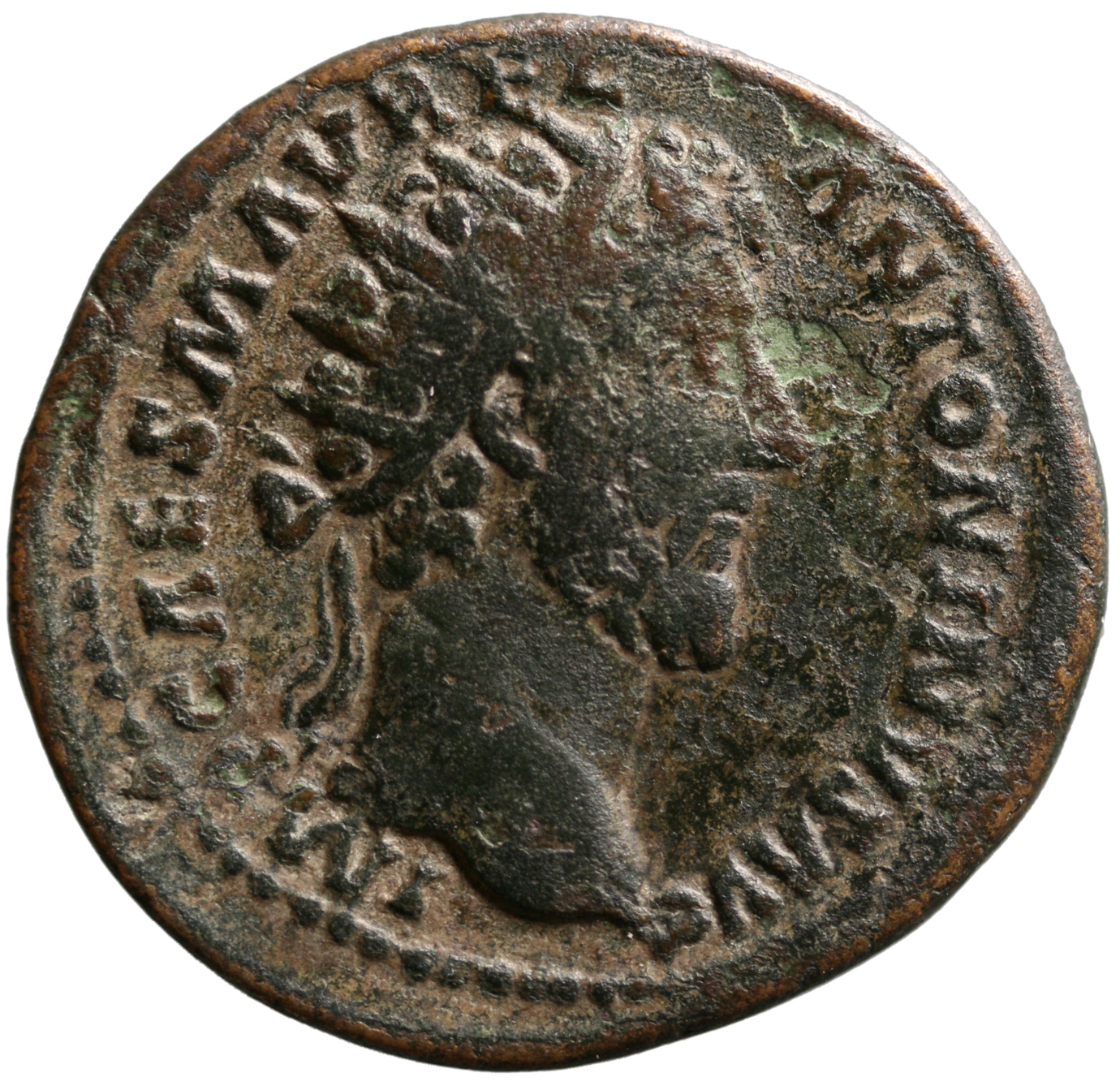
Marcus Aurelius wrote a book he never intended anyone to read. He titled it, in Greek, Ta eis heauton — “To Himself.” The Meditations is the surviving manuscript of a Roman emperor talking to himself at the end of each day about how to be a better man tomorrow, and his advice is better than most of the advice written for publication ever since. He wrote it in military camps on the Danube during a 14-year war he did not want to fight. He wrote it in the dark. He wrote it because, he believed, every man needs a teacher — and if no teacher was available, he would have to be his own.
Talk to him and he will be listening before you finish your first sentence. Not politely. Actually. He spent twelve hours a day hearing petitions from across the empire; he learned to find the real question underneath the stated one. You’ll think you came to ask about Stoicism. He’ll ask what you’re avoiding. He’ll do it kindly. He’ll be right.
The method isn’t lectures. It’s questions with edges. “Is this within my control?” he’ll ask — the first move of Stoic triage. Then: “If not, why are you still carrying it?” If you try to dodge by saying it matters to you — he’s heard it — he’ll push back: “Whether it matters has no bearing on whether it’s yours to solve.” He’s not trying to win. He’s trying to show you what he learned at fourteen from Junius Rusticus, his first philosophy teacher: “That I should not write speculative essays, give little moralizing sermons, or paint a fanciful picture of the ascetic or the philanthropist. That I should avoid rhetoric, poetry, and pretentious language.”
Then the reframe. He carried one with him constantly: hypomnemata, “reminders to himself.” The most useful one: “You have power over your mind — not outside events. Realize this, and you will find strength.” He wrote this on a march, in a tent, probably after watching his best general die of plague. He wasn’t writing from comfort. He was writing from the worst thing that ever happened to him.
You’ll walk away from a conversation with Marcus having been diagnosed, gently and accurately, about something you thought you’d hidden. He won’t call you out. He’ll tell you a story about himself — his temper with slaves, his impatience with sycophants in the court, the days he could not make himself rise from bed — and you’ll recognize yourself in it because he wrote the Meditations as a mirror and twenty centuries haven’t clouded the glass.
He is the rarest kind of teacher: the one who teaches you to teach yourself, and then gets out of your way.
Three questions to start with:
- The Meditations weren’t written for me. They were written for you. What’s one entry you’d cut if you’d known they’d survive?
- You ruled during a plague, a flood on the Tiber, and 14 years of war on the Danube. Which of those tested your Stoicism the hardest?
- Your son Commodus became a disaster as emperor. Where did the teaching fail?