

Historical Figure
Horace
d. 8 BC
Roman lyric poet (65–8 BC)
Talk to Horace
Have a conversation with this historical figure through AI
Biography
Quintus Horatius Flaccus, commonly known in the English-speaking world as Horace, was the leading Roman lyric poet during the time of Augustus. The rhetorician Quintilian regarded his Odes as the only Latin lyrics worth reading: "He can be lofty sometimes, yet he is also full of charm and grace, versatile in his figures, and felicitously daring in his choice of words."
Timeline
The story of Horace, told in moments.
Born Quintus Horatius Flaccus in Venusia, southern Italy. His father was a freedman, a former slave, who worked as a tax collector. He spent everything on his son's education in Rome and Athens.
Fought on the losing side at Philippi, commanding a legion for Brutus. He ran from the battlefield. He wrote about it later with self-deprecating honesty. "I left my shield behind."
Published his first book of Satires. Virgil introduced him to Maecenas, Augustus's cultural minister. Maecenas gave him a farm in the Sabine Hills. Horace never forgot that he owed everything to patronage.
Completed the first three books of Odes. Latin lyric poetry at its peak. "Carpe diem" comes from here. He meant it literally: pluck the day, like a grape from the vine.
In Their Own Words (20)
The mountains will be in labor, and a ridiculous mouse will be brought forth.
Line 139. Horace is hereby poking fun at heroic labours producing meager results; his line is also an allusion to one of Æsop's fables, The Mountain in Labour., 1237
We rarely find anyone who can say he has lived a happy life, and who, content with his life, can retire from the world like a satisfied guest.
Book I, satire i, line 117
What odds does it make to the man who lives within Nature's bounds, whether he ploughs a hundred acres or a thousand?
Book I, satire i, line 48
My cares and my inquiries are for decency and truth, and in this I am wholly occupied.
Book I, epistle i, line 11
He who postpones the hour of living rightly is like the rustic who waits for the river to run out before he crosses.
Book I, epistle ii, lines 41–42
Artifacts (15)
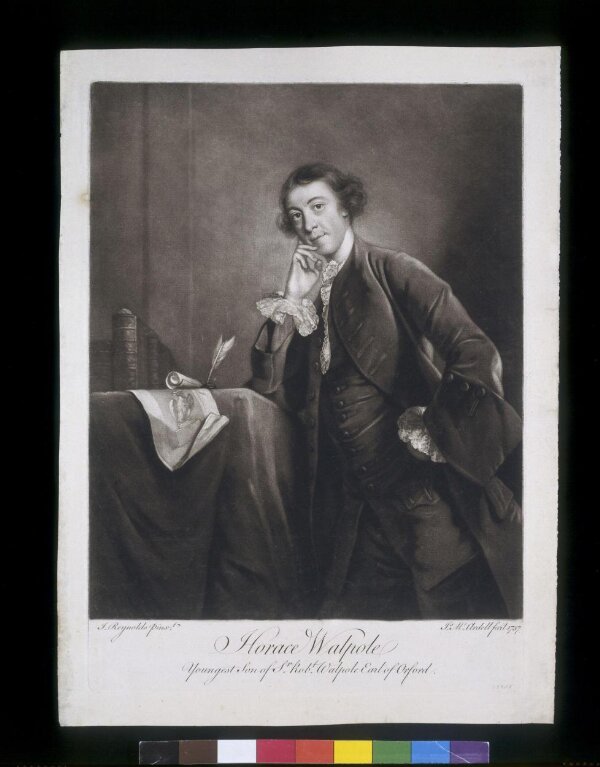

Mme. Horace Vernet
Jean-Baptiste Isabey
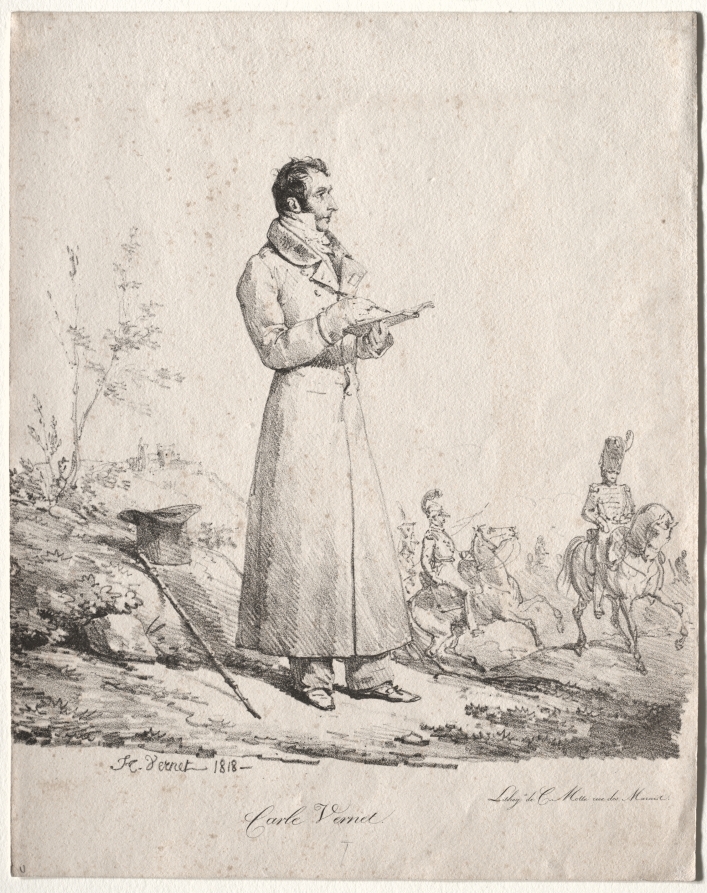
Antoine Charles Horace Vernet, called Carle
Horace Vernet (French, 1789–1863)
I had to move the bed into another room to make space for the gear.
he album is partially attributed to the fact that Homework was recorded in Bangalter's bedroom. As he remarked, "I had to move the bed into another room to make space for the gear." In the years...
I never had any intention to do what my father was doing
songwriter and producer for performers such as the Gibson Brothers, Ottawan and Sheila B. Devotion. As expressed by Bangalter, "I never had any intention to do what my father was doing"....
Every album we've done is tightly linked with our lives. [...] The internal, per...
e it as a single. In 2005 Daft Punk released their third studio album, Human After All. As de Homem-Christo noted, "Every album we've done is tightly linked with our lives. [...] The internal,...
As much as I love this character, the last thing I would want to be, in the worl...
ted that he would eschew his robotic persona, citing concerns in AI and technological developments: "As much as I love this character, the last thing I would want to be, in the world we live in, in...
Related Historical Figures


Explore what happened on the days that shaped Horace's life. Today In History connects historical figures with the events, births, and deaths that defined their era. Browse all historical figures or explore today's events.