

United Artists Founded: Chaplin, Pickford, Fairbanks Take Control
Charlie Chaplin, Mary Pickford, Douglas Fairbanks, and D.W. Griffith launched United Artists to seize creative control from the rigid studio system. This bold move established a distribution model where artists owned their films, fundamentally shifting power dynamics in Hollywood and enabling independent production for decades.
February 5, 1919
107 years ago
Key Figures & Places
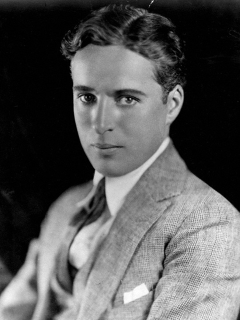
Charlie Chaplin
Wikipedia
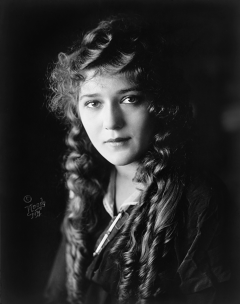
Mary Pickford
Wikipedia
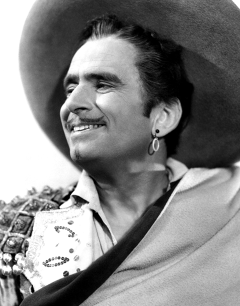
Douglas Fairbanks
Wikipedia
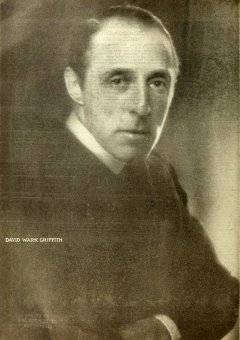
D.W. Griffith
Wikipedia

United Artists
Wikipedia

Charlie Chaplin
Wikipedia

Mary Pickford
Wikipedia

Douglas Fairbanks
Wikipedia

D. W. Griffith
Wikipedia

United Artists
Wikipedia

Tiempos modernos
Wikipedia

Charlot
Wikipedia

Cine mudo
Wikipedia

Satire
Wikipedia

Taylorismus
Wikipedia
What Else Happened on February 5
The Roman Senate bestowed the title pater patriae upon Caesar Augustus, officially cementing his status as the father of his country. This honor transformed his…
An earthquake hit Pompeii seventeen years before Vesuvius buried it. The tremors knocked down temples, cracked aqueducts, and collapsed the forum. Intensity IX …
The earthquake hit Pompeii seventeen years before Vesuvius buried it. February 5, 62 AD. The forum collapsed. The Temple of Jupiter cracked open. Hundreds died …
An Lushan commanded 164,000 troops — nearly half the Tang Dynasty's entire army. The emperor had given him that power. Trusted him completely. An Lushan was a f…
An Lushan declared himself Emperor of China, shattering the stability of the Tang Dynasty and launching the brutal An Lushan Rebellion. This violent power grab …
naissance du royaume du Maroc, Idris premier roi du Maroc.
Talk to History
Have a conversation with historical figures who witnessed this era. Ask questions, explore perspectives, and bring history to life.